
In an era where the cost of living continues to soar, the allure of affordable lifestyles in Europe has captured the attention of many. The continent, rich in history and diverse cultures, offers a treasure trove of affordable living options that cater to varying tastes and budgets. Whether you dream of sipping espresso in a sun-soaked piazza or exploring medieval streets, finding cheap places to live in Europe can turn those dreams into reality. The financial benefits of moving abroad extend beyond mere savings; they encompass a chance to experience new cultures, cuisine, and communities without the hefty price tag often associated with European living. In this article, we unravel the best budget-friendly destinations across Europe, assess their costs of living, and delve into the local cultures that make these spots unique. With careful consideration of key factors and practical tips for saving money, you will be well-equipped to embrace a new, affordable European lifestyle that fits your financial goals. So, pack your bags and prepare to explore the best that Europe has to offer without breaking the bank!
Overview of the Rising Interest in Affordable Living Options
In recent years, a notable trend has emerged—more individuals and families are seeking budget-friendly ways to live across Europe. With the modern world’s fast-paced lifestyle, rising living costs, and inflation, the allure of affordable living has never been more appealing. Many are fueled by the desire for a better quality of life, a change of scenery, or even the opportunity to pursue remote work in a more cost-effective environment. This shift is not just about seeking cheaper rent or a lower grocery bill; it encompasses a broader lifestyle—one that emphasizes community, culture, and enjoyment without financial strain.
Importance of Finding Cheap Places to Live in Europe
Finding affordable housing in Europe is paramount for those looking to stretch their earnings without sacrificing lifestyle quality. As cities develop and evolve, overall costs can skyrocket, leaving many displaced or struggling to keep up. However, Europe offers a wealth of hidden gems where housing, amenities, and local culture combine to create economically viable living conditions. By pinpointing these destinations, many are discovering that it’s possible to live well on a budget. The key benefits of choosing cheap living spaces range from reduced financial stress to enhanced leisure time, allowing individuals to focus on exploring their surroundings rather than worrying about finances.
Brief Mention of Financial Benefits of Moving Abroad
Relocating to Europe on a budget opens up a plethora of financial benefits. One significant advantage is the disparity in living costs, which often allows expatriates to enjoy a higher standard of living compared to their home country. For instance, necessities like healthcare and transportation can be significantly cheaper, depending on the country. Moreover, the freedom of remote work now enables many to earn a salary based on higher currency standards while benefiting from lower living costs abroad. As a result, individuals can save more money, invest in experiences, or even travel more extensively. It’s a win-win situation: live affordably while embracing a vibrant culture.
Additionally, tax incentives in certain countries can favor expatriates, making the financial equation even more appealing. Countries like Portugal and Spain offer tax breaks that attract remote workers and foreigners alike, allowing them to enhance their financial stability while enjoying the Mediterranean lifestyle. This financial flexibility empowers individuals to immerse themselves in local cultures, explore new passions, and develop deeper connections with their communities—all while managing budgets effectively.
In essence, the increasing interest in budget-friendly living options across Europe is driven by a quest for economic savviness, cultural immersion, and an elevated lifestyle. It invites a diverse range of individuals seeking transformative experiences without the heavy baggage of financial burden. Choosing to live in a cost-effective European destination allows for a gradual yet rewarding journey toward enhanced well-being and life satisfaction.
BEST Topless or Nude Beaches in the Mediterranean
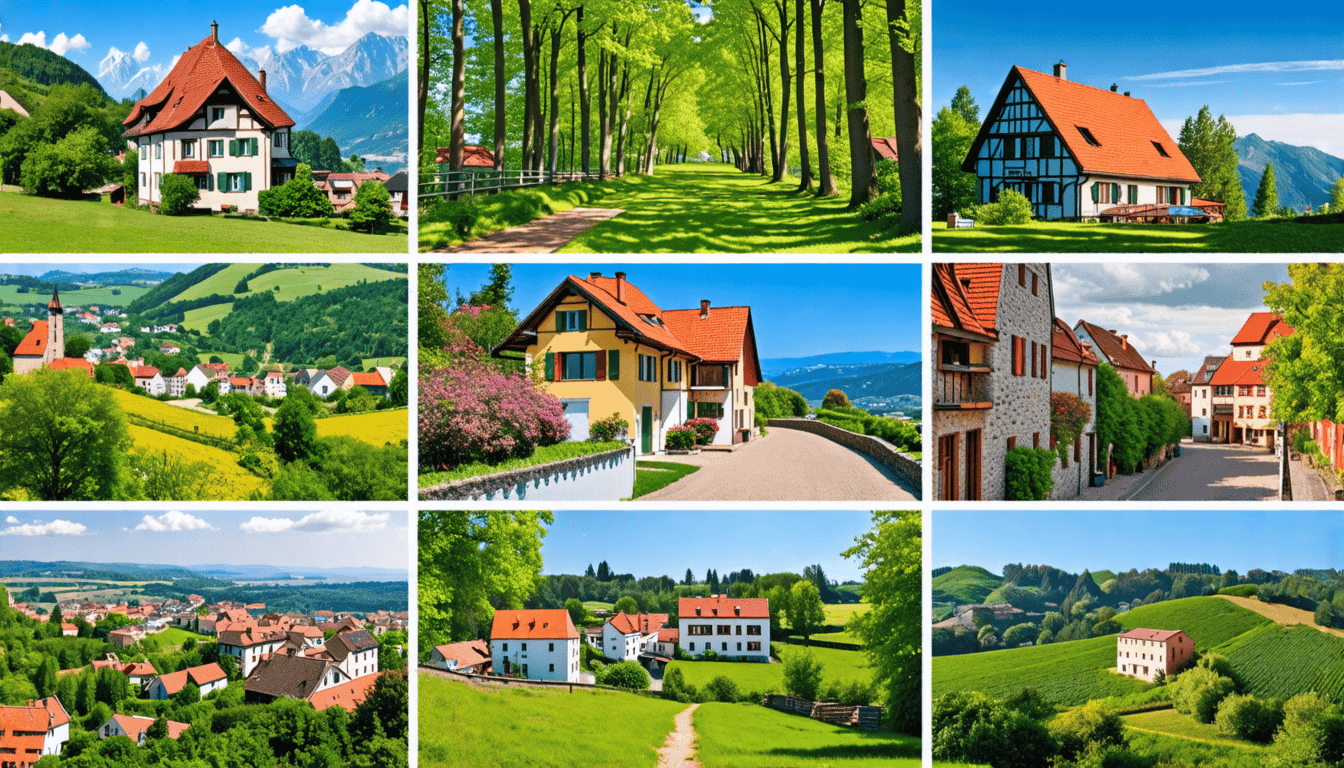
Top Cheap Places to Live in Europe
If you’re in search of budget-friendly living options in Europe, you’re in luck. The continent is dotted with cities that not only offer affordable living costs but also rich cultural experiences and modern amenities. Below, we delve into some of the best affordable destinations, including Lisbon, Budapest, and Prague, while comparing the cost of living and highlighting the unique aspects each city has to offer.
1. Lisbon, Portugal
Lisbon has become a hotspot for expatriates seeking a vibrant lifestyle at a fraction of the cost of many Western European capitals. Located along the Atlantic coast, Texas-sized Lisbon boasts a stunning blend of old-world charm and contemporary innovation.
Cost of Living
The cost of living in Lisbon varies, but on average, it is around 30% cheaper than in cities like London or Paris. Rent for a one-bedroom apartment in the city center averages about €1,000 a month, while living further out could reduce that to around €700. Groceries and dining out are also reasonably priced, with budget meals available for as low as €10.
Cultural Highlights
Local culture sprawls across Lisbon with historic neighborhoods like Alfama, known for its narrow streets and Fado music. The city’s culinary scene is another major draw, offering delicious pastries such as the iconic Pastel de Nata. Meanwhile, events like Festas de Lisboa bring the streets alive with music and festivities throughout the summer months.
2. Budapest, Hungary
Known for its stunning architecture and vibrant nightlife, Budapest is a captivating choice for those looking for affordability without sacrificing quality of life. This city beautifully marries the old with the new and is increasingly attracting a community of digital nomads.
Cost of Living
Budapest offers one of the lowest costs of living in Europe. A one-bedroom apartment in the city center can be found for around €500 per month, and basic groceries make for a budget-friendly lifestyle. Dining out is also affordable, with inexpensive restaurant meals priced at approximately €8.
Cultural Highlights
Rich in history, Budapest is home to Thermal Baths, grand palaces, and the bustling ruin bars that contribute to its unique atmosphere. The city’s historical richness is reflected in its diverse architecture, from Gothic cathedrals to art nouveau buildings. Moreover, the annual Budapest Spring Festival showcases the city’s vibrant arts scene.
3. Prague, Czech Republic
Prague, celebrated for its fairy-tale architecture and relative affordability, provides a breathtaking backdrop for anyone looking to embark on a new adventure. The city seamlessly blends medieval history with a lively modern lifestyle, making it a favorite among expatriates.
Cost of Living
Living costs in Prague are remarkably low, with an average rental price for a one-bedroom apartment in the city center around €800, while those willing to live outside the center might pay as little as €600. A typical meal in a reasonable restaurant can cost about €9, making it easy to indulge without overspending.
Cultural Highlights
Prague’s local culture is rich with traditions, from the enchanting Charles Bridge to the world-renowned Prague Castle. The city is also known for its music and film festivals, adding to its vibrant atmosphere. With a café culture that embraces local writers and artists, there is always something artistic happening in this picturesque city.
Cost of Living Comparison
| City | Rent (1-br in city center) | Groceries (monthly avg.) | Dining Out (cheap meal) |
|---|---|---|---|
| Lisbon | €1,000 | €200 | €10 |
| Budapest | €500 | €150 | €8 |
| Prague | €800 | €180 | €9 |
As displayed in the table, Budapest takes the top spot as the most affordable city, followed by Prague and then Lisbon. Each of these cities offers a unique set of amenities and cultural experiences, ensuring that budget-conscious expats can find a suitable home without compromising on quality of life.
In summary, Lisbon, Budapest, and Prague not only exemplify affordability but also deliver an experience brimming with culture, history, and community. With engaging local scenes and relatively low living costs, these cities continue to attract those looking to embrace budget-friendly living in Europe.
BEST Topless or Nude Beaches in the Mediterranean

Factors to Consider When Choosing a Budget-Friendly City
When pondering your next adventure in Europe, cost isn’t the only factor at play; the quality of life you’ll enjoy is equally crucial. Here, we’ll delve into the key elements to consider when selecting an affordable city in Europe that fits your lifestyle and budget.
Criteria for Affordability
Affordability can vary dramatically from one European city to another, depending on multiple factors. Here are the primary components to consider:
Housing Costs
Housing often consumes the largest chunk of your budget. Investigate rental prices and property costs in your chosen city. For instance, while Lisbon and Budapest offer affordable rents compared to cities like Paris or London, prices can vary within different neighborhoods. Aim for areas that combine lower housing costs with proximity to public amenities, as this can significantly enhance your living experience without breaking the bank.
Transportation
Public transportation is a key indicator of affordability. Cities with robust and affordable public transit systems, such as Prague and Budapest, allow residents to forgo owning a car, thus saving money on insurance, fuel, and maintenance. Assess the cost of monthly transportation passes versus the cost of taxis or ride-sharing services. Cities with walkable centers can also minimize transport costs, enabling you to explore on foot.
Groceries and Dining
A crucial element of daily living expenses, the cost of groceries can fluctuate between cities and even within communities. European cities, like Lisbon, are known for their local markets, where you can purchase fresh produce at lower prices. Dining out is another consideration—some cities, such as Porto, boast a vibrant food scene that is still budget-friendly. Research typical grocery prices and meal costs to build a comprehensive monthly budget.
Quality of Life Parameters
While affordability is important, it shouldn’t come at the cost of your quality of life. Here are some quality-of-life factors to ponder:
Safety
Different cities have differing crime rates and safety perceptions. Research safety statistics or consult expat forums to gauge the experiences of those who have lived there. Safety should be a priority, particularly if you plan to explore neighborhoods on foot or partake in nightlife.
Healthcare
Examine the healthcare system in potential cities. Countries like Spain and Portugal are renowned for their high-quality healthcare services, often at more reasonable costs than those in other Western European nations. Ensure that your destination provides access to effective healthcare services, whether through the public system or private institutions.
Leisure and Culture
Cultural opportunities greatly enhance the allure of a location. Engage with the local arts, historical sites, and community activities. Cities with thriving cultural scenes not only provide entertainment but also foster connections with fellow residents. Understand the leisure options available—parks, museums, festivals—and ponder how you might integrate these activities into your life.
Importance of Language and Expat Communities
Navigating a new country can prove daunting, especially when language barriers arise. Here’s how to approach this challenge:
Language Proficiency
While many Europeans speak English, immersing yourself in the local language can significantly enhance your experience. Look for cities where language schools or conversational exchange programs thrive, aiding in both integration and relationship building within the community. For instance, learning Hungarian in Budapest can open doors to local culture and friendships.
Expat Communities
A strong expat community can ease the transition to living in a new city. Not only does it provide a support network, but it also offers insight into the trials and triumphs of adapting to a different culture. Cities like Barcelona and Berlin host vibrant expat hubs where you can connect with fellow internationals. Engage with online forums, social media groups, and meet-ups to establish early connections, making the adjustment period less intimidating.
In summary, careful consideration of affordability criteria alongside quality-of-life parameters will help you navigate the selection of a budget-friendly city in Europe. By weighing the costs of housing, transportation, and groceries against safety, healthcare, and cultural opportunities, you can ensure your new adventure is both economical and enriching. Additionally, embracing language learning and building connections within expat communities will enhance your overall experience, leading to a satisfying and memorable life in your chosen destination.
BEST Topless or Nude Beaches in the Mediterranean

Tips for Saving Money while Living in Europe
Finding ways to stretch your budget while living in Europe doesn’t have to be a daunting task. With thoughtful planning and local knowledge, you can enjoy the rich cultural experience without being bogged down by hefty expenses. Here are some invaluable tips to help you save money while living abroad.
1. Create a Practical Budget
The first step in minimizing your expenses is to craft a realistic budget that reflects your income and expected costs. Start by tracking your spending for at least a month, categorizing your expenses into essentials such as housing, groceries, transport, and entertainment. This will enable you to pinpoint areas where you can cut back. Use budgeting apps or old-school spreadsheets—whatever works best for you—to keep your finances in check.
2. Embrace Local Markets
One of the best ways to save money on groceries is to shop at local markets. Not only are these markets often cheaper than supermarkets, but they also provide fresher and more authentic products. Build relationships with local producers and vendors; they might even offer you insider tips on how to prepare traditional dishes or let you in on occasional discounts. Seasonal produce is typically less expensive, so make a habit of planning your meals around what’s available. Not only will you save money, but you’ll also get to enjoy the flavors of Europe directly from the source.
3. Use Public Transport
While it might be tempting to rely on taxis or rideshare apps, taking advantage of Europe’s robust public transportation system can save you substantial amounts of money. Trains, buses, and trams often offer affordable fares, especially with a monthly pass. Many cities also provide discounts for students or seniors. To make the most of your travel, familiarize yourself with the local transport routes and schedules. Walking and biking are also fantastic, budget-friendly ways to explore your community while keeping fit.
4. Take Advantage of Community Services
Many towns and cities in Europe have community services that can help residents save money. From free or low-cost classes to library services offering books and entertainment, these resources can significantly enhance your living experience without straining your budget. Participate in local events or volunteer opportunities; not only will you meet new people, but you might also enjoy free meals or other perks while giving back to the community. Research local forums or social media groups to stay updated on what’s available.
5. Network with Locals and Expats
Building a support network of locals and fellow expats can provide valuable insights into saving money. Join local clubs, attend social meetups, or participate in community events that align with your interests. These connections can lead to recommendations for affordable service providers, hidden gem eateries, and even job opportunities. The camaraderie that comes from engaging with like-minded individuals not only enriches your experience but also helps you uncover more budget-friendly options in your new home.
6. Learn the Language
While English is widely spoken in many European countries, learning the local language can be a game-changer when it comes to saving money. Being able to communicate effectively allows you to negotiate better prices at markets, understand billboards and offerings in shops, and avoid language barriers that could lead to overpaying. Consider taking language classes, using language learning apps, or practicing with locals. Not only will you save money, but you’ll also deepen your integration within the community.
7. Seek Out Local Discounts
Many cities offer local discounts for residents, including reduced prices for public transportation, museums, and events. Always inquire about these discounts when purchasing tickets or passes, and carry proof of residence if necessary. Moreover, consider subscribing to local newsletters or following social media pages that focus on budget-friendly happenings in your area. You might find free concerts, exhibitions, or community activities that can fill your calendar without emptying your wallet.
8. Share Living Expenses
If you want to significantly reduce your housing costs, consider co-living arrangements or sharing an apartment. This not only divides rent and utilities but also fosters a sense of community. Websites dedicated to finding roommates or sublets can help streamline your search for affordable living situations. Plus, sharing spaces often means sharing resources like kitchenware and furniture, further minimizing your expenses.
9. Cook at Home
Dining out can quickly become a budgetary black hole, especially in popular tourist areas. Opt for cooking at home whenever possible. Experimenting with local ingredients and recipes can be a fun way to immerse yourself in the culture. Additionally, hosting potluck dinners with friends can keep your social life active while keeping costs down. Cooking large batches of meals is another way to be economical; you can freeze leftovers for future dinners, saving both time and money.
10. Explore Free and Low-Cost Activities
Europe is brimming with cultural, historical, and natural sites, many of which offer free or low-cost entry. Visit local parks, museums on discount days, or participate in free walking tours. Keep an eye out for local festivals, markets, and cultural events that often showcase music, food, and art—all at little to no cost. Embracing these local experiences not only saves money but also enriches your understanding of the culture you’ve chosen to call home.
By applying these money-saving strategies, you can enjoy the fantastic lifestyle Europe has to offer without breaking the bank. With a little resourcefulness and determination, you’ll find that living cheaply in Europe can be both fulfilling and financially sustainable.
BEST Topless or Nude Beaches in the Mediterranean

5. Tips for Saving Money while Living in Europe
Living in Europe doesn’t have to send your wallet into a tailspin; in fact, with some savvy strategies and wise choices, you can stretch your Euro further than you might think. Here are some tried-and-true tips to help you save money while enjoying the rich tapestry of European life.
1. Create a Realistic Budget
First and foremost, establishing a clear, realistic budget is essential. Take into account your housing, utilities, groceries, transportation, and leisure activities. Start by researching average costs for each category in your chosen city. Websites like Numbeo and Expatistan provide valuable insights into cost comparisons across regions. Once you have a clear picture, allocate funds accordingly. Sticking to your budget will help you avoid any financial surprises and give you a sense of control over your spending.
2. Embrace Local Markets
One of the joys of living in Europe is the abundance of fresh, local produce available at farmers’ markets. Not only will you find fruits, vegetables, and artisanal products at significantly lower prices than supermarkets, but you’ll also experience the local culture. Explore your community’s markets for weekly deals and seasonal specialties. Not to mention, shopping at local markets supports your local economy—a win-win!
3. Utilize Public Transportation
Public transport in Europe is not only cost-effective but also efficient and convenient. Each city has a well-developed network of buses, trams, and metros, reducing the need for a personal vehicle. Consider purchasing monthly or yearly transport passes, which usually offer significant savings over single tickets. Additionally, many European cities are bike-friendly, providing a healthy and eco-conscious alternative for commuting. Renting bikes or using bike-sharing schemes can be both fun and economical.
4. Seek Out Free Events and Activities
Fill your calendar with free events to help you embrace the local culture without breaking the bank. Many European cities host free festivals, art exhibitions, concerts, and film screenings throughout the year. Check local tourism websites, community boards, and social media groups for the latest happenings. Additionally, take advantage of museums offering free entry on specific days or discounted rates for students and seniors. Walking tours, often led by locals, are also a fantastic way to learn about your new city without spending a dime.
5. Network with Locals and Expat Communities
Joining local and expat groups can be an invaluable resource. Engage with these communities to share tips on the local cost of living, including where to find the best deals and budget-friendly activities. Social media platforms and websites like Meetup.com can help you find groups that fit your interests. By building connections, you gain insight into local customs and may even discover opportunities for bartering services or sharing resources with others in the community.
6. Cook at Home
Dining out can quickly drain your finances, especially in tourist hotspots. Save money by preparing meals at home. Invest in a few essential kitchen appliances like a slow cooker or microwave to make meal prep easier. Explore traditional recipes from your new home to immerse yourself in the culture while treating your taste buds. Additionally, look for budget-friendly restaurants, especially those frequented by locals rather than tourists. You’ll likely discover delicious options at a fraction of the price.
7. Shop Smart for Groceries
When grocery shopping, choose local stores and discount supermarkets. Stores like Lidl or Aldi often offer lower prices while maintaining quality. Familiarize yourself with the layout of your chosen supermarket as this can help you avoid impulse purchases. Plan your shopping trips based on weekly sales and create detailed lists to stay on track. Additionally, consider buying in bulk for non-perishable items. This not only saves money but also reduces the frequency of your grocery runs.
8. Take Advantage of Student Discounts
If you’re a student, be sure to take advantage of countless student discounts available across Europe. Many museums, restaurants, and attractions offer reduced admission prices or exclusive promotions. Programs like the International Student Identity Card (ISIC) can provide additional discounts, making it easier to explore your new city on a budget.
9. Be Mindful of Utilities and Internet Bills
Utilities can often be a hidden cost in your monthly budget. Be proactive about saving energy at home—turn off lights when not in use and unplug appliances. In many European countries, it’s common to have separate contracts for internet services; compare providers to find the best deal. Sometimes bundling services can save you money overall, so don’t be afraid to shop around.
10. Travel Wisely
While tempting, spontaneous travel can lead to overspending. Instead, plan your trips around off-peak seasons to benefit from lower accommodation and transportation costs. Use budget airlines and compare fares on sites like Skyscanner or Hopper to find the best deals. Consider traveling by train or bus for a more scenic and often cheaper option. Additionally, take advantage of local transportation passes or discount cards to minimize travel expenses while exploring nearby destinations.
By implementing these simple yet effective strategies, you can enjoy a fulfilling life in Europe without compromising your financial well-being. A little planning can go a long way, allowing you to experience all that the continent has to offer while keeping your budget in check.
In conclusion, the exploration of budget-friendly living in Europe unveils a treasure trove of opportunities for those seeking a change in lifestyle without the hefty price tag. From the sun-kissed streets of Lisbon to the vibrant atmosphere of Budapest and the historical allure of Prague, affordable destinations abound, each offering a unique blend of culture and community.
As we have seen, the cost of living can vary significantly across Europe, and understanding these differences is paramount for making an informed decision. By weighing factors such as housing, transportation, and quality of life, potential movers can find not just a place to live but a place that feels like home.
Moreover, the practical tips provided for saving money enable a smoother transition into this new way of life. Engaging with local markets, utilizing public transport, and forging connections with both locals and fellow expats can enhance the experience of living abroad while keeping expenses in check.
Embracing affordable living in Europe is not just about financial savings; it’s about enriching one’s life with diverse experiences, expanding horizons, and discovering the beauty of a different culture. So, whether you’re a digital nomad, a retiree, or just someone ready for an adventure, consider taking the plunge. Your affordable European lifestyle awaits, and with it, the promise of a rewarding and fulfilling journey.