Introduction to Portugal
Portugal, a gem on the southwestern edge of Europe, is often overshadowed by its larger neighbors, yet it boasts a rich tapestry of history, culture, and natural beauty that makes it stand out on the continent. With its unique position on the Iberian Peninsula, Portugal plays a significant role in European maritime history, having been a major player during the Age of Discovery. Understanding Portugal’s geographical location is crucial for grasping its cultural dynamics, historical context, and the influences that have shaped its identity.
Situated strategically at the crossroads of Europe, Africa, and the Atlantic, Portugal serves as a gateway for trade and exploration. Its coastal cities, particularly Lisbon and Porto, are not only historical ports but also vibrant modern hubs that reflect the country’s evolution through the ages. This geographic positioning catalyzed Portugal’s colonial aspirations, leading to a vast empire that spanned continents. Today, the remnants of this empire can still be seen in its architecture, cuisine, and cultural practices, making the understanding of its location all the more vital.
Portugal is bordered to the west and south by the Atlantic Ocean, which has provided both opportunities for maritime exploration and a temperate maritime climate that influences its agriculture and lifestyle. To the north and east, Portugal shares its land borders with Spain, which outlines its position on the Iberian Peninsula and establishes a unique dynamic between the two nations. This location has fostered a blend of cultures, languages, and traditions, contributing to Portugal’s rich heritage.
Moreover, Portugal’s geographical layout—from its mountainous northern regions to the rolling plains in the center and the sunny coastal areas in the south—plays a critical role in its economic activities, including tourism, agriculture, and fishing. The variety of landscapes not only adds to the natural beauty but also creates distinct regional identities within the country. Understanding these geographical nuances ignites an appreciation for Portugal’s offerings, whether one is seeking vibrant city life, serene countryside, or breathtaking coastal vistas.
Additionally, Portugal’s territorial extent makes it an ideal case study for geographic education. With a land area of approximately 92,212 square kilometers (35,364 square miles), the country is relatively small compared to its European counterparts, yet its diversity in geography reflects a microcosm of continental Europe. Exploring Portugal’s location reveals how geography influences various facets of life, including climate, economy, and cultural exchange.
BEST Topless or Nude Beaches in the Mediterranean
Topographical Features of Portugal
Portugal boasts a rich tapestry of diverse landscapes, each contributing to its unique character and charm. From rugged mountains to tranquil plains and an expansive coastline, the topography of Portugal is as varied as its history. This diversity not only shapes the natural beauty of the country but also influences its culture, agriculture, and tourism.
Diverse Landscapes
At the heart of Portugal’s topographical features lies an impressive range of scenery. The northern region is characterized by its mountainous terrain, with the Serra da Estrela being the highest range in continental Portugal. This mountain range, home to the country’s only ski resort, is a hub for outdoor enthusiasts, offering hiking trails and stunning vistas. As one descends towards the central regions, the landscape transitions to rolling hills, fertile valleys, and picturesque vineyards, particularly in the Dão and Bairrada regions, known for producing some of the finest wines in the country.
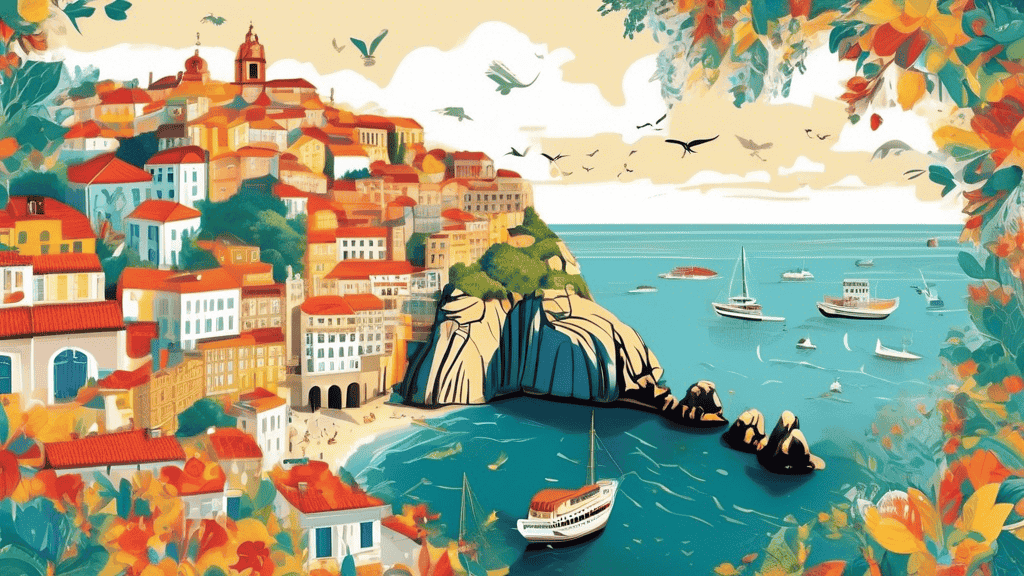
On the southern part of the country, particularly the Algarve, visitors are treated to dramatic cliffs, golden beaches, and serene bays. The contrast between the rugged coastline and the gentle sands creates a breathtaking backdrop for sunseekers and adventurers alike. With its extensive coastline stretching over 800 kilometers, Portugal’s shores are dotted with charming fishing villages and vibrant tourist resorts, making it a favored destination for beachgoers.
Major Geographical Regions
Portugal is often divided into three major geographical regions: North, Central, and South, each offering distinct landscapes and cultural experiences.
- North Portugal: This region is known for its lush greenery, especially in areas like Minho, famous for its verdant hills and the cultivation of Vinho Verde. The scenic Douro Valley, a UNESCO World Heritage Site, is also located here. It is renowned for its terraced vineyards perched along the Douro River, producing port wine that has earned international acclaim.
- Central Portugal: Central Portugal strikes a balance between mountains and plains. The region is home to the historic city of Coimbra and the stunning Serra da Estrela. The diverse climate of this region supports a variety of agricultural practices, making it an important area for traditional crafts and gastronomy.
- South Portugal: Dominated by the Algarve, the southern region attracts millions of visitors with its sunny weather, stunning beaches, and vibrant nightlife. The region also encompasses the less developed Alentejo area, known for its rolling plains and rich agricultural land.
Key Landmarks and Their Geographical Significance
Among its many geographical landmarks, Portugal is home to several iconic sites that reflect its natural beauty and cultural heritage. The Tagus River, which flows through Lisbon, is one of the longest rivers in the Iberian Peninsula and plays a crucial role in the capital’s geography and economy. The river estuary enhances the scenic views of the city, while also supporting local fisheries and tourism.
The Arrábida Natural Park, located south of Lisbon, showcases stunning cliffs and cliffsides covered in Mediterranean flora, offering a picturesque view of the Atlantic Ocean. The park is not only a visual delight but also an important ecological area that supports diverse plant and animal species.
Additionally, the Cabo da Roca, the westernmost point of mainland Europe, provides dramatic cliffs that rise abruptly from the Atlantic Ocean. This iconic landmark draws visitors from around the world eager to witness the wild beauty of Portugal’s coastline.
Inlands, the Castle of Óbidos perched on a hill and surrounded by medieval walls, represents the historical significance of the region while providing panoramic views of the picturesque countryside.
Influence on Culture and Economy
The geographical features of Portugal have significantly shaped its cultural identity and economic practices. The diverse topography allows for a variety of agricultural outputs, making regions like Alentejo a breadbasket for the nation, known for wheat, olives, and cork production. The mountains of the north cultivate a different agricultural dynamic, with vineyards flourishing in the terraced hills.
Tourism, heavily influenced by the stunning landscapes, is a vital part of Portugal’s economy; diverse natural features draw millions of visitors each year. From those seeking skiing in the mountains to beachgoers enjoying the Atlantic waves, Portugal’s geography offers something for everyone.
In summary, the topographical features of Portugal—from its majestic mountains to its serene coastline—play a critical role in defining the country’s identity. These landscapes shape local cultures and traditions, echoing the stories of a country enriched by both natural beauty and historical significance.
BEST Topless or Nude Beaches in the Mediterranean
Climate and Weather Patterns in Portugal
Portugal boasts a diverse climate that is significantly influenced by its geographical features. The country is primarily characterized by a Mediterranean climate, featuring hot, dry summers and mild, rainy winters. However, the topographical variations across the regions create unique microclimates that further enrich Portugal’s atmospheric tapestry.
To better understand Portugal’s climate, we can segregate it into three main climate zones: the northern region, the central region, and the southern region. Each zone presents distinct weather patterns that cater to various interests, from beachgoers to hiking enthusiasts.
Northern Portugal
The northern region, including cities like Porto and Braga, experiences a humid subtropical climate, often characterized by moderate temperatures and significant rainfall, especially during the winter months. The lush green landscapes and mountainous terrains contribute to this wetter microclimate. The influence of the Atlantic Ocean helps maintain milder temperatures year-round, making it an attractive destination for those who enjoy outdoor activities like hiking and wine tasting in the famous Douro Valley.
The average temperature in winter hovers around 8-15°C (46-59°F), while summer temperatures range from 20-30°C (68-86°F), making it ideal for exploration in the cooler months. The region also has microclimates influenced by elevation, particularly in the Peneda-Gerês National Park, where temperatures can drop significantly in the higher altitudes.
Central Portugal
The central region of Portugal presents a more continental climate. Notable cities like Coimbra and Tomar experience hot summers and colder winters relative to the north. Temperatures can soar above 35°C (95°F) during the summer, while winter temperatures occasionally dip below 0°C (32°F), particularly in the higher ground areas like the Serra da Estrela mountains, home to Portugal’s only ski resort.
Rainfall in central Portugal is moderate, with the majority falling in the colder months. This region is an excellent destination for those who enjoy a variety of seasonal activities, from skiing in the winter to hiking trails lined with blooming flowers in spring.
Southern Portugal
The southern region, commonly referred to as the Algarve, is famed for its warm and dry Mediterranean climate. With long hours of sunshine and minimal rainfall, this area draws tourists seeking the perfect beach getaway. Summer temperatures frequently exceed 30°C (86°F), while winter averages remain mild, hovering around 10-17°C (50-63°F).
The Algarve’s extensive coastline not only boasts picturesque beaches but also influences local weather patterns, making the region one of the driest in Portugal. Coastal areas benefit from a phenomenon known as the Algarve effect, where sea breezes can create comfortable climates, even during the peak summer heat.
Impact of Geography on Weather Variations
Portugal’s diverse terrain has a profound impact on local weather variations. The Atlantic Ocean plays a critical role in regulating temperatures along the coastal areas, providing a moderating effect, which is particularly beneficial for agriculture. Inland regions, however, experience more extreme temperatures due to the absence of oceanic proximity, showcasing the geographical dichotomy that influences climate throughout the country.
Mountains like the Serra da Estrela not only present stunning views but also act as barriers, impacting wind patterns and precipitation distribution. These mountains can capture moisture-laden winds from the Atlantic, resulting in higher rainfall on the western slopes, while the eastern slopes can remain significantly drier.
Seasonal Changes and Weather-Related Tourism Insights
Understanding seasonal changes in weather can be advantageous for tourists looking to explore various regions of Portugal. Spring (March to May) is an excellent time for hiking and sightseeing, as temperatures are pleasant and flowers are in full bloom. It is also the shoulder season, which means fewer crowds and lower prices for accommodations.
Summer (June to August) draws waves of visitors to the beaches, particularly in the Algarve, where sunbathing, swimming, and water sports reign supreme. However, this season can also mean higher prices and busier tourist hotspots. Those seeking adventure should consider the cooler months for hiking in the northern regions, where the vibrant autumn foliage transforms landscapes.
Autumn (September to November) provides a fantastic opportunity for wine enthusiasts to engage in the grape harvest, especially in the Douro Valley. The weather remains mild, and the picturesque landscapes are a sight to behold.
Winter (December to February) offers a different kind of allure with fewer tourists and ideal conditions for experiencing Portugal’s urban centers cloaked in holiday decor. The cooler weather encourages activities like exploring historical sites and enjoying local cuisine in cozy restaurants.
In conclusion, Portugal’s climate and weather patterns illustrate its geographical richness. From the rain-soaked valleys of the north to the sun-drenched beaches of the south, each region presents a unique allure driven by seasonal variations and topographical distinctions. Tourists can fully harness the charm of these experiences by timing their visits to align with the changing seasons, ensuring a rich and enjoyable exploration of this Iberian gem.
BEST Topless or Nude Beaches in the Mediterranean
Climate and Weather Patterns in Portugal
Portugal boasts a diverse climate that varies significantly across its regions, largely due to its varied geography. The country can generally be categorized into three primary climate zones: the Mediterranean climate found in the south, the temperate Atlantic climate in the coastal areas, and a more continental climate in the interior regions. Understanding these climatic distinctions not only enhances one’s appreciation of Portugal’s natural beauty but also informs how to best experience the country throughout the year.
Mediterranean Climate in the South
In southern Portugal, particularly in the Algarve region, the Mediterranean climate prevails. Characterized by hot, dry summers and mild, wet winters, this climate is ideal for tourists seeking sunny beaches and outdoor activities. Average summer temperatures often soar above 30°C (86°F), making it a popular destination for sun-seekers. The warm weather also extends the tourist season, with many visitors flocking to the Algarve from spring to early autumn. This region’s climate fosters the growth of olive trees, vineyards, and citrus orchards, further contributing to its agricultural allure.
Temperate Atlantic Climate Along the Coast
The coastal areas of Portugal, including the bustling cities of Lisbon and Porto, enjoy a temperate Atlantic climate. This zone experiences mild temperatures year-round, with cooler summers compared to the south, and wet winters characterized by increased rainfall mainly from November to March. The average temperature during the hottest months hovers around 25°C (77°F), while winter temperatures rarely dip below 10°C (50°F). Such conditions make these cities ideal for cultural tourism year-round, as the weather is comfortable for exploring historic sites, lively markets, and outdoor cafes.
Continental Climate in the Interior
As one moves inland, the climate shifts to a more continental profile. Regions like Alentejo and parts of Beiras experience hotter summers—temperatures can often exceed 40°C (104°F)—and colder winters, with temperatures occasionally dropping close to freezing. This area’s climate plays a crucial role in the cultivation of diverse crops and livestock, which have been staples in Portuguese culture and cuisine. The wide temperature range also creates unique opportunities for eco-tourism, including hiking and wine tours where visitors can enjoy the scenic views and varying landscapes.
Seasonal Changes and Travel Insights
The seasonal variations in Portugal’s climate significantly influence travel planning. Spring (March to May) is an enchanting time to visit, as wildflowers bloom across the countryside and temperatures are mild, ideal for exploring the landscape. Summer (June to August) attracts the largest crowd due to school holidays and the allure of sun-soaked beaches; however, travelers should be prepared for peak prices and bustling tourist spots. Autumn (September to November) is another excellent time to visit, marked by harvest festivals and pleasant weather, perfect for wine enthusiasts looking to experience the renowned Douro Valley vineyards. Winter (December to February) sees fewer tourists, which can translate to lower prices for accommodations and fewer crowds at major sites; however, be aware of the cooler, wetter weather, especially in the northern regions.
Impact of Geography on Weather Variations
Portugal’s geography has a significant impact on its weather patterns. The northern mountain ranges, such as the Serra da Estrela, create a rain shadow effect, leading to distinct climatic variations between the coastal areas and the interior. This mountainous region receives considerable snowfall in winter, making it a rare ski destination in Portugal. Moreover, the Atlantic Ocean regulates coastal temperatures, preventing extremes and contributing to the lush landscapes observed in areas like the Azores and Madeira, where subtropical climates provide fertile grounds for diverse flora. Understanding these geographic influences offers travelers valuable insights into what to expect from Portugal’s weather, enabling them to plan a visit that aligns with their interests.
As Portugal’s climate reveals, the country is not only a geographical gem but also a destination where diverse landscapes provide varied weather experiences. Whether you’re seeking the sun-drenched beaches of the Algarve, the mild urban atmospheres of Lisbon and Porto, or the rugged beauty of the interior mountains, Portugal caters to all preferences—making any season an excellent time to explore its charming offerings.
In conclusion, Portugal’s geographical location is not just a point on the map; it is a cornerstone of its identity, culture, and history. Nestled on the Iberian Peninsula and flanked by the Atlantic Ocean, the country boasts a rich tapestry of landscapes that ranges from the towering mountains in the north to the sun-kissed beaches of the Algarve in the south. Understanding Portugal’s diverse topographical features and climate zones is crucial, as they significantly influence local traditions, agricultural practices, and tourism opportunities. This interplay of geography and culture offers endless avenues for exploration and appreciation. As you consider your next travel destination or delve into the vibrant history of Europe, take a moment to reflect on the unique geographical canvas that Portugal paints. We encourage you to further investigate its landscapes, which have shaped not only a nation but also the lives of those who call it home. Portugal awaits your discovery, offering a geographical story that is as rich and compelling as the nation itself.