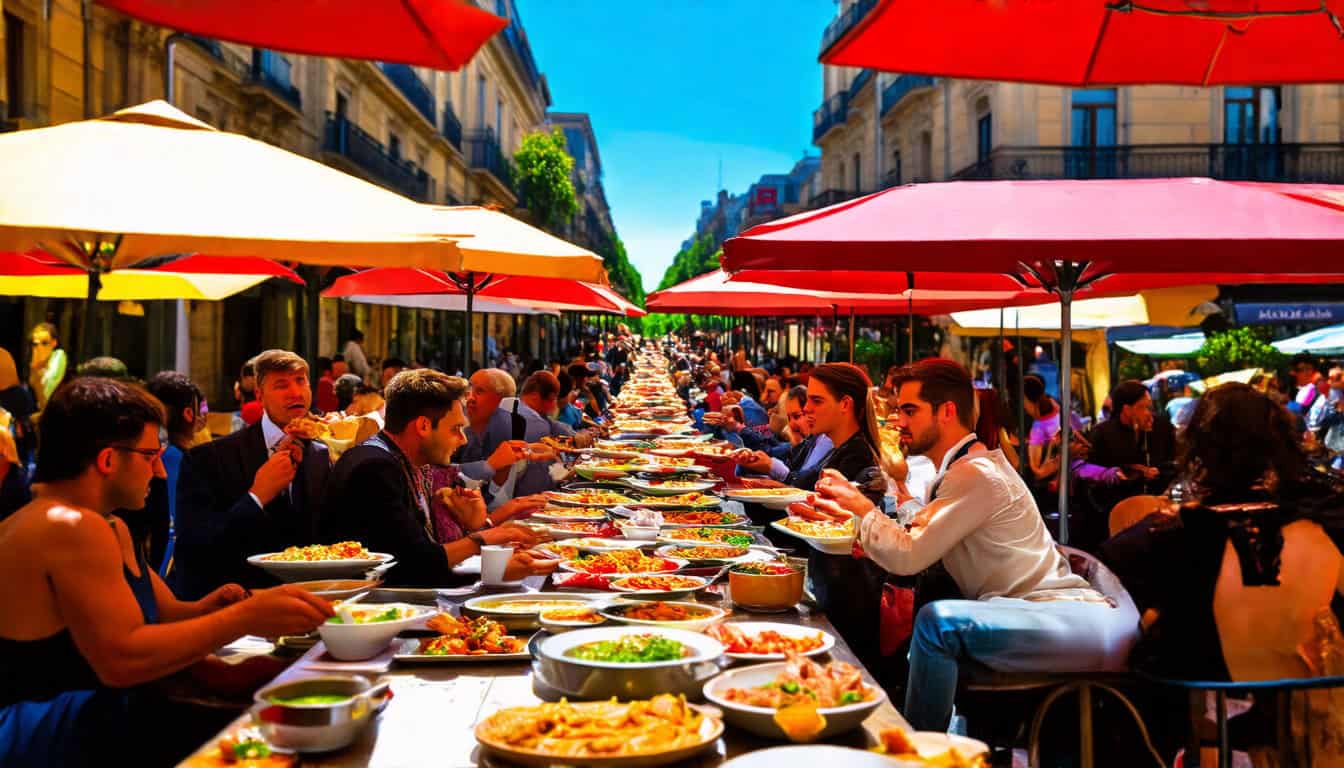
Traveling from Lisbon to Madrid offers a vibrant gateway into Spain’s rich culinary scene, especially its famed tapas culture. Spending 48 hours in Madrid invites immersing oneself in local flavors, history, and the unique rhythm of Spanish life. This journey is not only about food but touches on history, culture, and the delight of slow, flavorful dining.
The Road From Lisbon: An Unexpected Prelude
Starting the trip in Portugal, the road winds through captivating landscapes and villages that carry deep historical roots. One notable stop on the way to Madrid is Monsanto, a Portuguese village renowned for its ancient origins and striking natural setting. Monsanto stands out for its megalith boulders, some of which date back to the Stone Age. Walking among these giant stones, visitors can feel the weight of history pressing down, a tangible connection to those who lived here centuries ago.
The village earned the title “most Portuguese village” in Portugal, a place where history overlaps with modern life. Its narrow, winding roads and tightly stacked rock houses make it clear why this spot was chosen as a filming location for the Game of Thrones spin-off, House of the Dragon. This detour from the highway enriches the journey by connecting travelers with a past that feels both monumental and intimate.
Crossing into Spain highlights the seamless borders within the European Union. The only sign of change is a simple road marker, underlining the freedom to travel—a freedom that many visitors from outside Europe may find remarkable. Arriving in Madrid after nearly six hours on the road primes one to dive into the city’s lively atmosphere and culinary delights.
Madrid’s Gastronomic Welcome: Evening Tapas and Sangria
Madrid greets visitors with an unmistakable energy, especially as the evening takes hold. Dinner in Spain starts later than in many other countries; locals often begin their main meal well after 9 p.m. This habit has roots in history and politics, with one notable influence being Spain’s alignment with Central European Time, set during the Franco regime to sync with Berlin, rather than its geographic neighbor Portugal, which sticks to Greenwich Mean Time. This shift means that daily life, including meal times, unfolds a bit later, giving the city a distinct nocturnal charm.
The tapas scene is at the heart of Madrid’s culinary identity. Starting with sangria, a classic drink made with wine, fresh fruit, and sometimes a splash of brandy, sets the tone. It refreshes and awakens the palate before the flood of flavors to come.
A first course tomato salad offers a fresh, tangy beginning, highlighting the quality of local ingredients. Accompanying this is crusty bread that acts as the perfect vehicle for Spain’s signature ham, the jamón ibérico. This ham is a true delicacy — cured to perfection with a complex, savory depth that lures one bite after another.
Croquettes stuffed with finely diced jamón offer a creamy yet crunchy texture. The filling often contains a rich béchamel, though the Spanish version is richer and silkier, elevating the snack into a luxurious small plate.
One cannot miss trying paella, or rather its regional cousin revealed in this city. A version featuring crispy toasted rice forms the base, with seafood nestled in its warm, golden strands. The defining feature is the socarrat—the caramelized, crunchy bottom layer of rice that marks a perfect dish. It’s a harmony of textures: tender seafood and firm, toasted rice, a sensory delight.
Exploring Madrid by Day: History and Neighborhoods
Waking up in Madrid the day after arrival, the city invites wanderers to explore its storied streets. The Plaza Mayor and surrounding areas offer glimpses of Spanish architecture, with its wrought iron balconies and vibrant facades. The Prado Museum sits nearby, home to masterworks by Velázquez, Goya, and other Spanish painters. Though art and history deeply enrich any visit, Madrid’s culinary scene never fails to draw visitors back, fueling their adventures with bursts of savory pleasure.
For lunch, a visit to mercados, or street markets, offers a chance to taste jamón carved fresh, or freshly made tortillas de patatas (Spanish omelet). These markets burst with color and life, where local vendors present an array of cheeses, olives, and wines — each stall a small revelation of Spain’s gastronomic heritage.
Evenings call for venturing into neighborhoods like La Latina or Malasaña, where small tapas bars line cobblestone streets. Bars here serve up dishes like gambas al ajillo (garlic shrimp), pulpo a la gallega (sliced octopus with paprika), and patatas bravas (fried potatoes with spicy tomato sauce). Sampling plates from various bars makes for a culinary scavenger hunt, revealing new flavors and textures with every stop.
Language and Customs: Engaging Locals Over Shared Plates
Dining in Madrid means engaging with a culture where meals are social events. Servers often recommend dishes based on what’s fresh and in season, showcasing Spain’s dedication to quality ingredients. Learning a few words in Spanish can open doors and invite smiles, making the tavern feel less like a tourist spot and more like a local hangout.
Sharing tapas fosters connection. Plates arrive in small portions meant to be shared, encouraging conversation and lingering over food. This ritual reflects the Spanish way of slowing down and enjoying food as much as company.
Beyond food, the streets hum with life into the early hours, music drifts out from open windows, and laughter spills from packed plazas. Tapas bars often fill up well past midnight, a sign that Madrid’s true magic happens under the city lights.
Preparing for a 48-Hour Adventure: Tips and Tricks
To make the most of a short stay, prioritize flexible plans. Madrid offers countless dining options, but seeking out less touristy spots rewards with authentic flavors. Walking between neighborhoods lets visitors stumble upon hidden gems that guidebooks may overlook.
Timing is essential. Arriving hungry in the evening means encountering busy bars just waking up. Since Spanish dinners start late, accommodate by adjusting rest times to avoid missing peak dining hours.
Consider the slower pace of Spanish meals. Tapas encourage tasting many dishes and lingering at the table. Rushing through can diminish the experience. Instead, savor each flavor and embrace the rhythm of Madrid’s evenings.
The city’s metro and walkability make moving between neighborhoods easy, allowing a good mix of paced exploration and spontaneous detours.
Reflection on the Experience
Traveling from Portugal to Madrid and diving into its tapas culture offers more than a meal. It opens a doorway into tradition, history, and living culture. The journey itself—from ancient Portuguese villages through scenic highways into the heart of Spain—frames the city as a destination that rewards curiosity and appetite alike.
Madrid’s tapas invite visitors to slow down, taste widely, and connect with the local spirit. These small plates carry stories of land, sea, and centuries-old craft. In savoring them, travelers gain more than nutrition; they absorb a piece of Spain’s pulse.
This 48-hour tapas adventure stands out not just for its flavors but for the experience of living fully into a place where food and culture intertwine. It beckons those eager to explore beyond landmarks and seek the tastes that shape a city’s soul. Madrid waits for those willing to dive in, one bite at a time.
#portugaltravelguide #traveltipstoportugal #bestplacestovisitinportugal #bestthingstodoinportugal #exploreportugal #portugalvacationideas #portugaltraveltips #portugaltravelnews #packingforportugaltrip #customstipsforportugaltravel #luggagetipsforportugal #besthotelsinlisbon #bestplacestostayinlisbon #bestrestaurantsinlisbon #bestthingstoseeinlisbon #belemtraveltips #lisbontravelguide #bestplacestostayinalgarve #algarvetravelguide #bestrestaurantsinalgarve #thingstoseeinalgarve #packingforalgarve #besthotelsinporto #bestplacestostayinporto #bestrestaurantsinporto #portotraveltips #besthotelsincoimbra #bestplacestostayincoimbra #bestrestaurantsincoimbra #coimbratravelguide #besthotelsinsintra #bestplacestostayinsintra #bestrestaurantsinsintra #sintratravelguide #besthotelsinlagosportugal #bestplacestostayinlagosportugal #bestrestaurantsinlagosportugal #lagostravelguide #besthotelsinmadeira #bestplacestostayinmadeira #bestrestaurantsinmadeira #madeiratravelguide #besthotelsintheazores #bestplacestostayintheazores #bestrestaurantsintheazores #azorestravelguide #bestbeachesinportugal #bestluggageforportugaltravel #bestcarryonluggageforportugal #bestbackpackforportugaltravel #besttravelsuitcaseforportugal #besttraveladapterforportugal #bestpackingcubesforportugal #portugalpackingguide #carryonpackingforportugal #travellighttoportugal #travelgearforportugal #travelessentialsforportugal #travelsmarttoportugal #travelsafelyinportugal #portugaltravelchecklist #travelcustomsportugal #travelcultureportugal #learnportuguesephrases #portugallanguageguide #travellikealocalportugal #localetiquetteportugal #besthotelsinaveiro #bestplacestostayinaveiro #bestrestaurantsinaveiro #aveirotravelguide #besthotelsinevora #bestplacestostayinevora #bestrestaurantsinevora #evoratravelguide #besthotelsinguimaraes #bestplacestostayinguimaraes #bestrestaurantsinguimaraes #guimaraestravelguide #besthotelsinobidos #bestplacestostayinobidos #bestrestaurantsinobidos #obidostravelguide #wanderlustportugal #portugalroadtripideas #portugalbeachtips #traveltolisbonportugal #travelportoportugal #travelalgarveportugal #travelmadeiraportugal