Galicia, located in the northwest of Spain, offers a rich and diverse aquatic environment. The region’s water bodies, ranging from rivers to coastal areas, hold cultural, ecological, and recreational significance. Exploring Galicia’s waters helps reveal the balance between natural beauty and human impact, focusing on water quality and the experiences it offers.
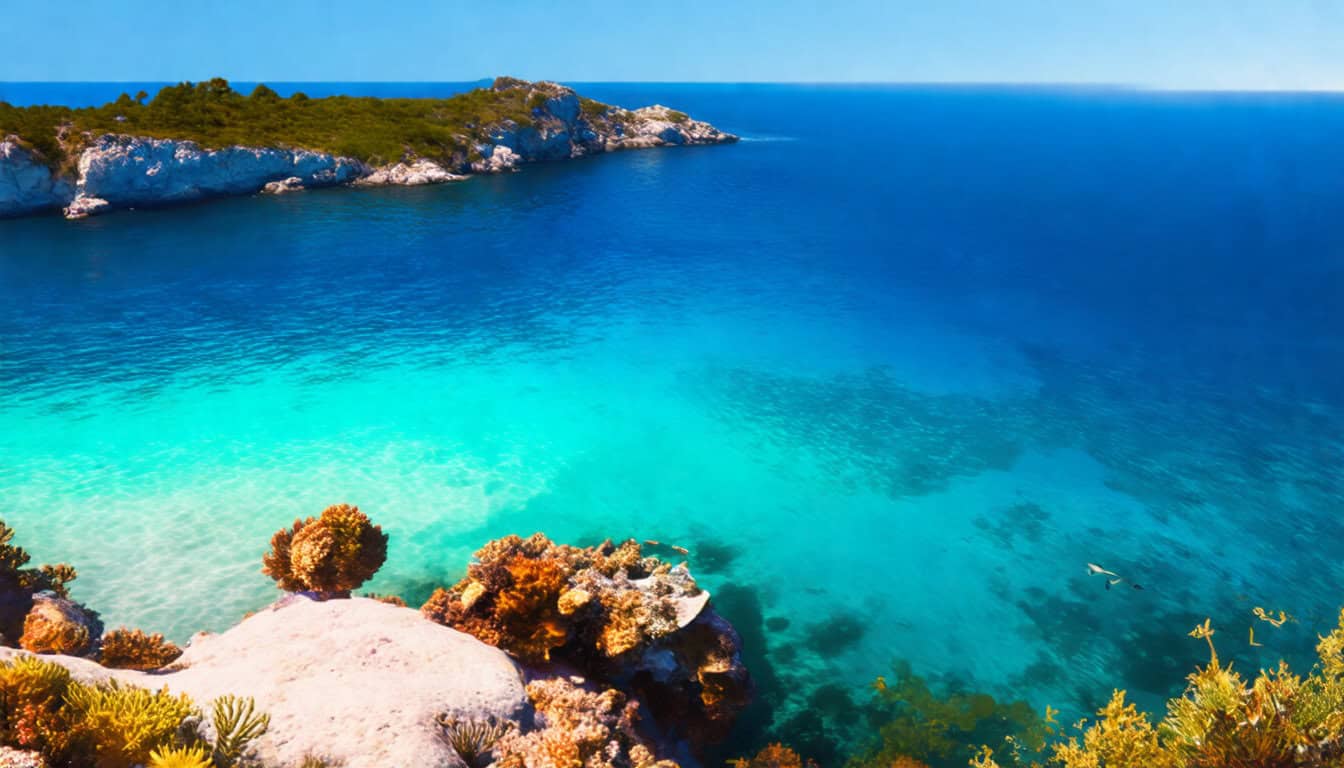
Galicia’s coastline stretches over 1,500 kilometers, dotted with rías, fjord-like inlets that create sheltered bays. These bays support local fisheries and attract visitors who enjoy the scenic views and fresh seafood. The mixture of freshwater from rivers and saltwater from the Atlantic Ocean creates unique ecosystems. The water quality in these coastal areas depends largely on environmental factors and human efforts in conservation.
Rivers in Galicia flow swiftly from the mountains toward the sea, passing through forested areas and urban zones. Their condition varies with location. In remote areas, water tends to be clearer and less polluted, supporting diverse aquatic life. Closer to cities or agricultural lands, rivers can carry pollutants that affect their health and the organisms living in them.
The region faces challenges to maintain clean and safe waters. Agricultural runoff, containing fertilizers and pesticides, can enter river systems, causing nutrient overload and harming aquatic ecosystems. Wastewater treatment plants reduce pollution but their effectiveness impacts the overall water quality. Local authorities and communities work together to monitor and improve water conditions.
Tourism plays a role in the region’s aquatic experiences. Visitors often engage in activities like kayaking, swimming, fishing, and bird watching. Clean water enhances these activities and the enjoyment of nature. Several initiatives promote sustainable tourism, encouraging respect for local habitats and reducing negative effects on water bodies.
Galicia’s aquatic vegetation also plays a key role in water quality. Plants in wetlands and along riverbanks filter impurities, provide habitat, and stabilize soil. Preserving these green zones supports biodiversity and helps maintain the purity of rivers and coastal waters.
The region’s commitment to environmental protection shows through various conservation projects. Organizations collaborate to study water quality, protect endangered species, and restore natural habitats. These efforts create a better understanding of the aquatic systems and ways to keep them healthy.
Exploring Galicia’s waters offers more than scenic beauty. It invites visitors to connect with nature and appreciate the delicate balance between human use and environmental care. Water quality influences fish populations, plant life, and recreational opportunities. Protecting these waters ensures that future generations can enjoy Galicia’s aquatic wonders.
In sum, Galicia’s aquatic environment reflects the interplay between its natural elements and human presence. Rivers, coastlines, and wetlands showcase a vibrant ecosystem shaped by ongoing conservation efforts and mindful use. Spending time in these waters reveals the importance of clean, healthy aquatic systems for both ecological and social well-being.
#spaintravelguide #traveltipstospain #bestplacestovisitinspain #bestthingstodoinspain #explorespain #spainvacationideas #spaintraveltips #spaintravelnews #packingforspaintrip #customstipsforspaintravel #luggagetipsforspain #besthotelsinbarcelona #bestplacestostayinbarcelona #bestrestaurantsinbarcelona #bestthingstoseeinbarcelona #sagradafamiliatravelguide #barcelonatraveltips #bestplacestostayincostabrava #costabravatravelguide #bestrestaurantsincostabrava #thingstoseeincostabrava #packingforcostabrava #besthotelsinmadrid #bestplacestostayinmadrid #bestrestaurantsinmadrid #madridtraveltips #besthotelsinseville #bestplacestostayinseville #bestrestaurantsinseville #sevilletravelguide #besthotelsinvalencia #bestplacestostayinvalencia #bestrestaurantsinvalencia #valenciatravelguide #besthotelsingranada #bestplacestostayingranada #bestrestaurantsingranada #alhambratraveltips #besthotelsinmallorca #bestplacestostayinmallorca #bestrestaurantsinmallorca #mallorcabeachesguide #besthotelsinibiza #bestplacestostayinibiza #bestrestaurantsinibiza #ibizatravelguide #besthotelsincanaryislands #bestplacestostayincanaryislands #bestrestaurantsincanaryislands #canaryislandstravelguide #bestbeachesinspain #bestluggageforspaintravel #bestcarryonluggageforspain #bestbackpackforspaintravel #besttravelsuitcaseforspain #besttraveladapterforspain #bestpackingcubesforspain #spainpackingguide #carryonpackingforspain #travellighttospain #travelgearforspain #travelessentialsforspain #travelsmarttospain #travelsafelyinspain #spaintravelchecklist #travelcustomsspain #travelculturespain #learnspanishphrases #spainlanguageguide #travellikealocalspain #localetiquettespain #besthotelsincordoba #bestplacestostayincordoba #bestrestaurantsincordoba #cordobatraveltips #besthotelsinbilbao #bestplacestostayinbilbao #bestrestaurantsinbilbao #bilbaotravelguide #besthotelsinsansebastian #bestplacestostayinsansebastian #bestrestaurantsinsansebastian #sansebastiantraveltips #wanderlustspain #spainroadtripideas #spainbeachtips #traveltobarcelonaspain #travelmadridspain #travelsevillespain #travelmallorcaspain