The rise of digital nomad visas marks a shift in how people live and work globally. Remote work, once a rare privilege, has become a mainstream option for professionals across industries. Many countries now offer special visas to accommodate remote workers, freelancers, entrepreneurs, and digital creators who seek to live legally and work abroad. This article explores the growing popularity of digital nomad visas, the benefits they offer, eligibility criteria, and the ways they are transforming work and travel.
What Are Digital Nomad Visas?
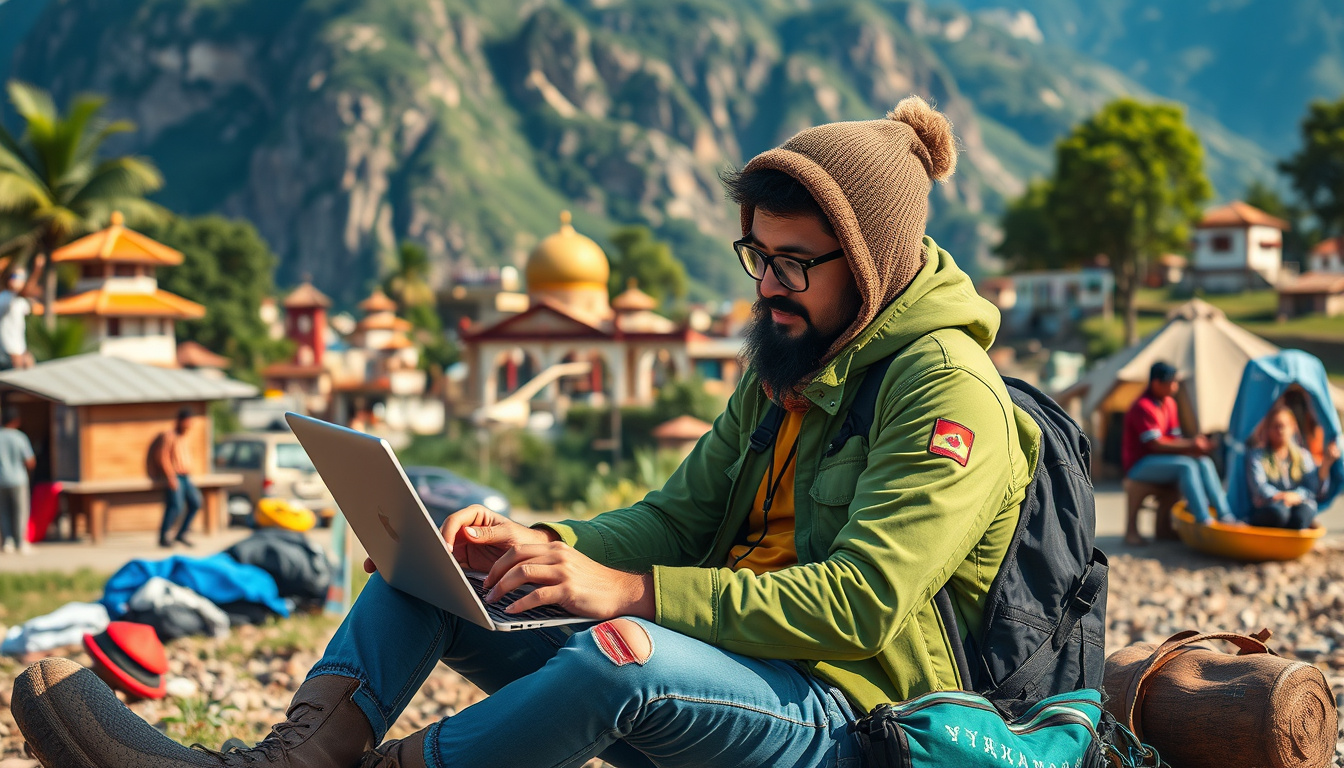
Digital nomad visas are legal permits that allow remote workers to reside temporarily or semi-permanently in a foreign country while earning their income from clients or employers based elsewhere. Unlike typical tourist visas, these permits provide legal residency and work rights, often for extended periods ranging from six months to several years.
Countries design these visas to attract skilled professionals who bring economic benefits without competing with the local labor market. This way, digital nomad visas cater to a rising population whose work is location-independent but who desire the stability and community of settling in a new place temporarily.
Countries Offering Digital Nomad Visas
By 2026, over 55 countries provide digital nomad visas or similar permits. In Europe, popular destinations include Portugal, Spain, Italy, Malta, and Hungary. Each country sets unique income thresholds, visa durations, and application procedures. For example:
- Portugal requires a minimum monthly income of about €3,680 with processing times around six months. The visa offers visa-free travel within the Schengen Zone and access to its robust healthcare system.
- Spain proposes a new digital nomad visa under its Startup Act, allowing up to five years of stay for non-EU nationals who have lived outside Spain for at least five years. It offers reduced tax rates and family reunification options.
- Malta’s Nomad Residence Permit demands around €3,500 monthly income and can be processed in about two months.
- Hungary’s White Card requires a monthly income of roughly €3,000 and offers visa-free entry to Schengen countries and no income tax if staying less than 183 days annually.
- Italy offers a digital nomad visa with a monthly income threshold near €2,700 and opportunities for family members to join, plus a path to citizenship after ten years.
Outside Europe, countries like Turkey, Costa Rica, and Barbados have also introduced nomad-friendly visas, offering different lengths and financial requirements.
Who Can Apply?
Digital nomad visas usually target remote professionals who earn income from international sources. Typical applicants include:
- Remote employees working for companies abroad.
- Freelancers providing design, writing, development, or consulting services globally.
- Entrepreneurs managing online businesses without fixed physical offices.
- Digital content creators like bloggers, videographers, and influencers.
- Independent consultants offering specialized services without a local employer.
- Contractors on fixed-term remote assignments.
Applicants must generally prove their income is sourced outside the host country, supply evidence of health insurance, and sometimes provide a clean criminal record. Some countries impose industry preferences, but many are welcoming to various professions.
Benefits of Digital Nomad Visas
These visas offer several advantages for remote workers wishing to explore life abroad while maintaining their careers.
Legal Residence and Work Authorization
A digital nomad visa eliminates the legal gray zone many remote workers face as tourists. It grants the right to live and work in the host country, avoiding visa overstays or questionable employment status.
Lower Cost of Living
Many digital nomads relocate to countries with a significantly lower cost of living than their home countries. For example, living in Budapest can cost about half of what a remote worker might spend in Houston, USA, for a similar lifestyle. This allows nomads to stretch their earnings and enjoy better quality of life.
Family Inclusion
Many digital nomad visas allow applicants to bring along spouses and children. Countries such as Spain, Portugal, Italy, and Malta make provisions for family members, granting them residence rights and access to local education and healthcare.
Tax Benefits and Optimization
Several countries offer tax incentives to attract digital nomads. For instance, Spain reduces the income tax rate for nomads to 15% for the first four years if most income is earned abroad. Other countries exempt nomads from local taxes for a certain period, often up to six months, mitigating the tax burden during the initial phase of their stay.
Access to Local Services
Holding a nomad visa often grants access to quality healthcare and public services. Children of nomads can attend local schools, while the entire family can use various health facilities without extra insurance in some countries.
Flexible Timeframes
Nomad visas range from several months to multiple years with renewal options. This flexibility caters to different lifestyles: some nomads prefer staying three months or less, while others embrace the "slomad" trend, living in one place for several months or years.
The Application Process
Procedure and processing times differ globally. Some countries like Malta offer residency permits within two months, while others like Portugal may take six months or more. The typical application involves several steps:
- Preliminary Eligibility Check: Verifying income, remote work status, and needed documentation.
- Document Submission: Including proof of income, remote employment contracts, health insurance, background checks, and proof of accommodation.
- Visa Issuance and Entry: Once approved, the applicant obtains a visa or directly a residence permit.
- Registration and Compliance: After arrival, nomads register with local authorities, sometimes opening bank accounts or securing local IDs.
Countries also institute anti-fraud and due diligence checks to ensure applicants meet criteria.
Growth and Trends in Digital Nomadism
The COVID-19 pandemic accelerated the global shift to remote work. Surveys reveal that a vast majority of professionals plan to incorporate remote work into their futures. Digital nomadism fits this new normal by prioritizing mobility and flexibility.
Currently, about 35 million digital nomads exist worldwide, with American workers representing a large share. The United States remains a major hub, though remote workers increasingly seek diverse destinations.
Countries have recognized this trend and crafted policies to attract global talent, revive local economies, and stimulate new industries. Spain’s recent move to enact a nomad visa within its Startup Act is a template other nations might follow.
Challenges and Considerations
While the nomad visa trend opens opportunities, it also poses challenges. Some locals express concerns about rising costs and gentrification in popular nomad destinations. There is a risk of driving up housing prices and pushing out long-term residents.
Governments must balance welcoming nomads with protecting community interests. Digital nomads must respect local laws and customs while making use of the opportunity for cultural exchange and economic contribution.
Final Thoughts
Digital nomad visas offer a new route for people to legally combine travel with work. These visas unlock borders, allowing individuals to explore diverse cultures without jeopardizing their livelihoods. By choosing countries that provide safety, good infrastructure, healthcare, and community, nomads can build rewarding lives anywhere.
The rising popularity of these visas reflects changing work habits and a more connected world. They empower people to break free from traditional office models and enrich the places they visit through their skills and spending.
As more countries introduce and refine their digital nomad programs, the global landscape of work will continue to evolve, offering broader choices and new ways to live and work.
This article synthesizes up-to-date information about digital nomad visas from multiple sources, presenting a comprehensive view of programs and trends shaping how we work and travel internationally.
BEST Home or Travel Power Bank – Perfect for Laptops & Mobile Devices
#travelnews #latesttravelnews #internationaltravelnews #globaltravelnews #travelupdates #passportnews
#visarequirements #traveltips2025 #airportupdates #airlinenews #usatravelnews #europeantravelnews
#asiatravelnews #africatravelnews #australiatravelnews #canadatravelnews #southamericatravelnews
#borderupdates #travelrestrictionsupdate #globalentrynews #tsaupdates #customstips #travelalerts2025
#traveltrend2025 #travelsafely2025 #worldtravelupdates #tourismnews2025 #luxurytravelnews
#budgettravelnews #backpackersnews #soloTravelnews #familytravelupdates #airlinetravelnews
#flightupdates2025 #delayedflightinfo #lostluggagehelp #carryontips #packinghacks2025 #passportprocessingupdate #traveladvisorynews #worldtraveltips #hotelnews2025 #cruisenews2025
#travelindustrynews #travelblognews #traveltrendalert #cheapflightsnews #newtravelrules
#traveltechnews #futureoftravel2025