Mental health care remains a critical concern across the world, touching the lives of many. In the United States, the issue of severe mental illness affecting individuals without sufficient care has become a pressing public health crisis. Family members and caregivers often watch helplessly as people with mental disorders struggle to find adequate support. A glaring example of this problem appears in the homelessness crisis. Approximately 30% of chronically homeless individuals in the United States live with mental health conditions. Witnessing people living on the streets without access to proper care raises many painful questions about society’s responsibility toward those in need.
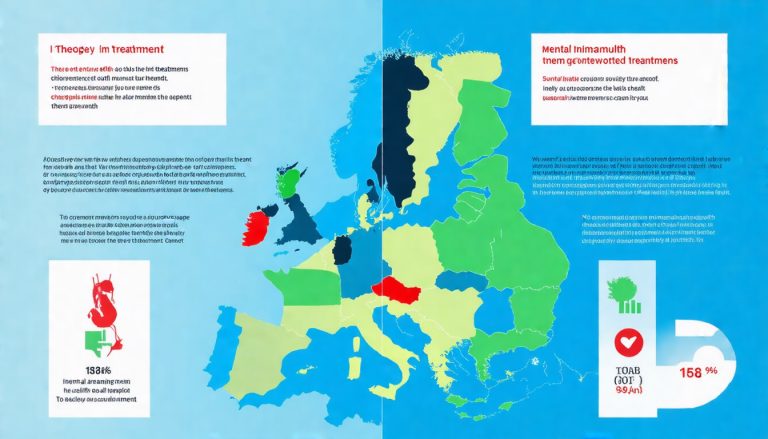
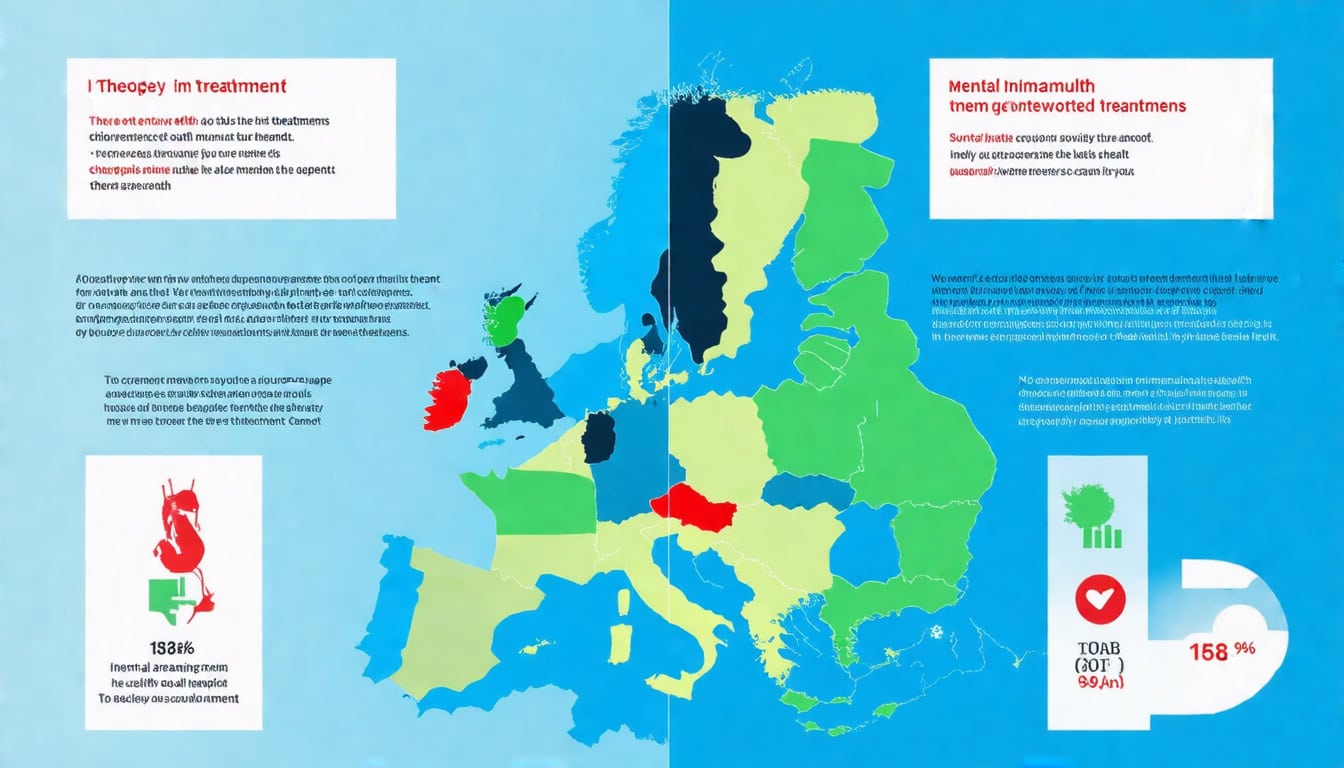
To understand how mental health care differs elsewhere, one can look to Europe. Comparisons focus on the United States versus the European Union in general, given the similarity in population and governance complexity. Though this comparison may seem broad, it is useful to explore the differences in mental health service structures and outcomes. The EU often contrasts itself against the US in terms of social safety nets and support networks, including those designed to help people experiencing mental distress and homelessness.
Homelessness and Mental Health Support
The challenge of homelessness features centrally when comparing mental health care between the US and Europe. Europe, through some countries, offers more comprehensive social safety nets designed to prevent and reduce homelessness, especially for the mentally ill. Finland stands out among EU countries for its success in decreasing homelessness rates—a rare achievement on the continent. Its “housing first” model places immediate emphasis on providing stable housing to those without homes, especially people facing mental health disorders. This approach has yielded promising reductions in homelessness by focusing on security and dignity first, before tackling other issues. Norway has implemented similar policies to reduce homelessness among vulnerable populations.
However, the situation is not uniform across Europe. Countries like the United Kingdom, Germany, France, Italy, and Spain continue to experience high levels of homelessness, highlighting inconsistencies in policy and resources among member states.
Mental Health Services in Europe
Many European countries host strong mental health systems, characterized by accessible, comprehensive services and an emphasis on early intervention. Sweden’s approach underscores prevention and strong community-based care designed to reach people early in their mental health journey. Denmark has invested in reducing stigma around mental illness, promoting a culture where seeking help is encouraged. The Netherlands offers a wide range of services, from outpatient counseling to inpatient treatment, ensuring many options for those in need.
Some of these countries combine this structure with strong social welfare programs to support mental health holistically. Norway works to promote mental well-being broadly while ensuring access to diverse psychological services. Finland demonstrates innovation not only in housing but also in reducing disparities and improving mental health access. However, countries like Portugal still face challenges, with locals reporting limited mental health resources, though some public mental health hospitals and services are available.
A noteworthy difference lies in the cost of pharmaceuticals. Mental health medications are considerably cheaper in Europe than in the United States, easing financial burdens on patients and healthcare systems. This difference influences how accessible ongoing treatment remains for many in need.
Mental Health Care in the United States
Across the United States, mental health care struggles with resource shortages and systemic problems. Decades ago, the deinstitutionalization movement led to the closure of many long-term psychiatric hospitals, aiming to shift care from large, centralized institutions to community-based facilities. While this idea promised more humane treatment and better integration, it largely failed to provide sufficient support systems in the community. Mental health services have not expanded enough to meet demand, creating gaps in care.
This shortage contributes to a troubling trend: many people with mental illness end up in the criminal justice system. Jails and prisons have become de facto mental health institutions, where overcrowding and inadequate care prevail. Many patients cycle repeatedly through these institutions without receiving appropriate treatment. The lack of long-term inpatient beds and trained staff worsens this crisis. Stigma around mental illness and a belief that treatment is too costly often discourage people from seeking help before reaching crisis points.
Personal Experiences and Broader Impact
Personal stories reflect the real struggles faced by individuals navigating mental health challenges in different systems. For instance, living with anxiety can cause overwhelming fear and panic, sometimes making simple acts like leaving the house impossible. One form of therapy that can help is exposure therapy, which helps people face fears gradually to regain control. For some, moving to a new country, such as from the US to Europe, served as an unexpected form of exposure therapy. It challenged comfort zones while offering new social environments and mental health opportunities.
Finding a therapist can feel daunting for many, especially in places with limited access. In both the US and Europe, barriers like stigma, cost, and availability of specialized providers complicate care. However, teletherapy services are emerging worldwide, allowing people to connect with licensed therapists online. This approach increases access and flexibility for many users, providing options like video calls, phone conversations, or messaging. Such services help remove geographical and social obstacles that might prevent people from seeking help.
Examining these different approaches makes clear that mental health treatment involves not only clinical care but also social support systems, housing stability, stigma reduction, and affordable medication access. European countries often embed mental health support into broader social services, combined with national healthcare systems, which can ease access and reduce costs. The United States lacks a unified federal system governing mental health, leading to wide disparities between states and communities.
Closing Thoughts
Understanding the mental health treatment landscape in the United States alongside Europe reveals important contrasts. Europe’s integrated social supports, lower pharmaceutical costs, and innovative housing-first models contribute to better outcomes for many people with mental illness, though challenges remain. The US struggles with resource shortages and fragmented care, resulting in overcrowded jails and unmet needs for the mentally ill.
Addressing mental health requires more than medicine or therapy alone. Solutions call for expanded housing options, community support, destigmatization, affordable care, and accessible services that recognize the whole person’s experience. Experiences of those living with mental illness remind us how vital it is to seek compassionate care and build systems that lift people up rather than leave them behind. Exploring successful strategies from different parts of the world can guide efforts to improve mental health treatment and foster healthier communities.
#portugaltravelguide #traveltipstoportugal #bestplacestovisitinportugal #bestthingstodoinportugal #exploreportugal #portugalvacationideas #portugaltraveltips #portugaltravelnews #packingforportugaltrip #customstipsforportugaltravel #luggagetipsforportugal #besthotelsinlisbon #bestplacestostayinlisbon #bestrestaurantsinlisbon #bestthingstoseeinlisbon #belemtraveltips #lisbontravelguide #bestplacestostayinalgarve #algarvetravelguide #bestrestaurantsinalgarve #thingstoseeinalgarve #packingforalgarve #besthotelsinporto #bestplacestostayinporto #bestrestaurantsinporto #portotraveltips #besthotelsincoimbra #bestplacestostayincoimbra #bestrestaurantsincoimbra #coimbratravelguide #besthotelsinsintra #bestplacestostayinsintra #bestrestaurantsinsintra #sintratravelguide #besthotelsinlagosportugal #bestplacestostayinlagosportugal #bestrestaurantsinlagosportugal #lagostravelguide #besthotelsinmadeira #bestplacestostayinmadeira #bestrestaurantsinmadeira #madeiratravelguide #besthotelsintheazores #bestplacestostayintheazores #bestrestaurantsintheazores #azorestravelguide #bestbeachesinportugal #bestluggageforportugaltravel #bestcarryonluggageforportugal #bestbackpackforportugaltravel #besttravelsuitcaseforportugal #besttraveladapterforportugal #bestpackingcubesforportugal #portugalpackingguide #carryonpackingforportugal #travellighttoportugal #travelgearforportugal #travelessentialsforportugal #travelsmarttoportugal #travelsafelyinportugal #portugaltravelchecklist #travelcustomsportugal #travelcultureportugal #learnportuguesephrases #portugallanguageguide #travellikealocalportugal #localetiquetteportugal #besthotelsinaveiro #bestplacestostayinaveiro #bestrestaurantsinaveiro #aveirotravelguide #besthotelsinevora #bestplacestostayinevora #bestrestaurantsinevora #evoratravelguide #besthotelsinguimaraes #bestplacestostayinguimaraes #bestrestaurantsinguimaraes #guimaraestravelguide #besthotelsinobidos #bestplacestostayinobidos #bestrestaurantsinobidos #obidostravelguide #wanderlustportugal #portugalroadtripideas #portugalbeachtips #traveltolisbonportugal #travelportoportugal #travelalgarveportugal #travelmadeiraportugal