Spain, a country known for its rich history, vibrant culture, and warm climate, is undergoing a series of notable changes. These shifts influence everyday life, politics, and the environment, painting a complex picture of a nation in transition. Understanding these trends sheds light on what it means to live, work, or travel in Spain today. Here, six key developments illustrate this rapid evolution.
- The Changing Landscape of Tapas Culture
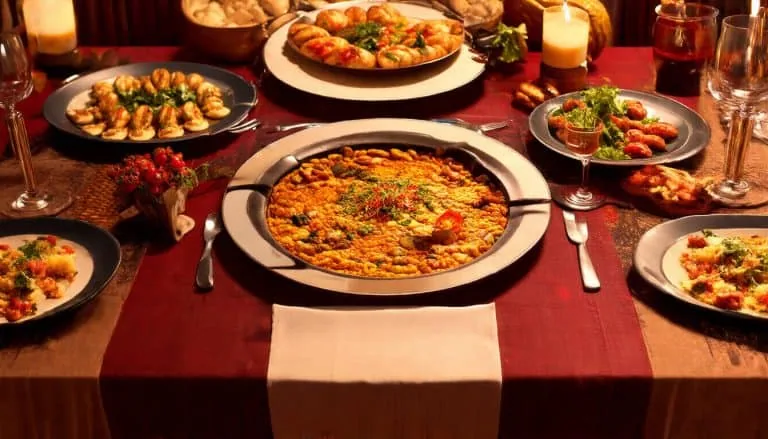
Tapas culture, long considered a defining feature of Spanish social life, is shifting. Traditionally, tapas bars served as social hubs where neighbors gathered, sharing small plates while standing at crowded counters. This culture fostered community interaction and a lively atmosphere across towns and cities. However, the number of traditional tapas bars has been declining.
Several factors contribute to this decline. Over the past decade, Spain has seen about a 10 percent drop in the number of traditional bars. The rise of restaurants offering reserved seating has played a role. After the pandemic, many people grew accustomed to calmer, more comfortable dining experiences. Sitting at a table, having personal space, contrasts with the bustling, sometimes noisy environment of a busy tapas bar.
Urban living also pressures family-run bars and restaurants. Rising rents make it difficult for small businesses to survive. Large franchises or chains, with deeper pockets, can afford these costs and increasingly dominate city streets. In rural areas, depopulation reduces the local clientele, so bars that once served entire villages face closure. Some rural establishments even seek government support to continue operating.
Furthermore, increased immigration brings diverse culinary options. Chinese, Middle Eastern, and other international restaurants offer alternatives to traditional tapas. As a result, locals and visitors have more choices, leading to changes in eating habits. Despite these shifts, not all tapas bars are disappearing. Many remain popular, some even crowded, but the spontaneous, walk-in culture is giving way to booking systems and controlled occupancy.
- The Presence of Far-Right Politics
Spain has experienced political changes similar to other European countries. Far-right parties, once marginal, now have a more visible presence. These groups attract attention by tapping into concerns over immigration, economic uncertainty, and cultural identity.
While Spain’s far-right remains smaller compared to some neighbors, it appears entrenched. This trend influences political debates and policy discussions, sometimes sharpening divisions within society. Though far-right parties have not dominated, their presence signals shifting political dynamics.
For residents and visitors alike, this means more diverse political voices influence local conversations. Election outcomes, media coverage, and public policies reflect these changes. Staying informed about Spain’s political landscape helps understand how these forces shape the nation’s future.
- Climate Change’s Impact on Daily Life
Spain’s climate has long been a draw for tourists and new residents. The country offers abundant sunshine, mild winters, and pleasant outdoor living. Yet, climate change now alters these patterns.
Summers are hotter and longer. Cities like Madrid experience intense heat waves, with temperatures reaching above 35 degrees Celsius (95 Fahrenheit). This heat challenges residents’ comfort and health and deters some tourists, who worry about extreme weather during peak travel seasons.
The north of Spain, however, contrasts with these trends. Regions like Galicia offer cooler temperatures, more rainfall, and lush landscapes. This area grows in popularity among travelers seeking relief from southern heat. The variety of climates within Spain creates diverse lifestyles and travel experiences.
Adaptation to rising temperatures influences housing, work routines, and outdoor activities. Air conditioning use increases, while some traditional ways of living outdoors become less comfortable. Authorities and communities seek ways to address water shortages, protect natural resources, and build resilience for future climate impacts.
- Rural Depopulation and Its Consequences
Many rural areas in Spain face shrinking populations. Younger generations move to cities for education, jobs, and modern amenities. This migration leaves villages with fewer residents to support local economies and services.
As villages empty, small businesses, including bars and shops, struggle or close. Public transport and healthcare become harder to maintain. Schools reduce enrollment or shut down, causing further loss of community life.
Recognizing this, some rural areas seek government aid or initiatives to attract new residents and investments. Efforts include promoting rural tourism, supporting agricultural innovation, and enhancing digital connectivity. However, reversing depopulation remains a challenge requiring long-term commitment.
- Shifts in Social Norms and Lifestyle Preferences
The pandemic accelerated changes in how people socialize and spend leisure time. Many now value comfort, safety, and convenience when going out. This shift affects the hospitality industry, including dining, entertainment, and nightlife.
Booking tables in advance has become common. Spontaneous visits to bars or restaurants happen less often. People prefer quieter environments to crowded, noisy settings, reflecting changes in energy levels and lifestyle priorities.
Moreover, technology influences interactions. Apps and websites help with reservations, reviews, and finding available venues. Digital platforms support new business models, including delivery and takeaway services, altering traditional social patterns.
- Increased Cultural Diversity and Culinary Variety
Spain’s cultural landscape grows more diverse due to immigration and globalization. Cities host communities from Asia, Africa, Latin America, and Europe. Their presence enriches the cultural fabric, including food, festivals, and languages.
This diversity brings new culinary options. While traditional Spanish cuisine remains popular, international foods gain prominence. Restaurants serving Chinese, Middle Eastern, African, and Latin American dishes contribute to the evolving culinary scene.
For locals and visitors, this means opportunities to explore tastes beyond tapas and paella. It also reflects broader social changes that shape inclusion, identity, and community relationships.
Final Thoughts
Spain’s rapid transformation touches many aspects of life, from dining habits and political views to climate and demography. These six trends offer a snapshot of a nation balancing tradition with change. Whether one plans to move to Spain, travel there, or simply follow its developments, understanding these forces enhances appreciation of a complex and dynamic society.
Tapas culture shifts reflect changing social habits and economic pressures. The presence of far-right politics marks evolving political conversations. Climate change challenges long-held views of Spain’s perfect weather. Rural depopulation reshapes communities and economies. Social lifestyles adapt to new norms post-pandemic. Cultural diversity broadens Spain’s identity and culinary offerings.
Together, these trends form the context for a modern Spain that respects its heritage while facing new realities. Observing how these changes unfold will reveal much about the country’s future direction.
#spaintravelguide #traveltipstospain #bestplacestovisitinspain #bestthingstodoinspain #explorespain #spainvacationideas #spaintraveltips #spaintravelnews #packingforspaintrip #customstipsforspaintravel #luggagetipsforspain #besthotelsinbarcelona #bestplacestostayinbarcelona #bestrestaurantsinbarcelona #bestthingstoseeinbarcelona #sagradafamiliatravelguide #barcelonatraveltips #bestplacestostayincostabrava #costabravatravelguide #bestrestaurantsincostabrava #thingstoseeincostabrava #packingforcostabrava #besthotelsinmadrid #bestplacestostayinmadrid #bestrestaurantsinmadrid #madridtraveltips #besthotelsinseville #bestplacestostayinseville #bestrestaurantsinseville #sevilletravelguide #besthotelsinvalencia #bestplacestostayinvalencia #bestrestaurantsinvalencia #valenciatravelguide #besthotelsingranada #bestplacestostayingranada #bestrestaurantsingranada #alhambratraveltips #besthotelsinmallorca #bestplacestostayinmallorca #bestrestaurantsinmallorca #mallorcabeachesguide #besthotelsinibiza #bestplacestostayinibiza #bestrestaurantsinibiza #ibizatravelguide #besthotelsincanaryislands #bestplacestostayincanaryislands #bestrestaurantsincanaryislands #canaryislandstravelguide #bestbeachesinspain #bestluggageforspaintravel #bestcarryonluggageforspain #bestbackpackforspaintravel #besttravelsuitcaseforspain #besttraveladapterforspain #bestpackingcubesforspain #spainpackingguide #carryonpackingforspain #travellighttospain #travelgearforspain #travelessentialsforspain #travelsmarttospain #travelsafelyinspain #spaintravelchecklist #travelcustomsspain #travelculturespain #learnspanishphrases #spainlanguageguide #travellikealocalspain #localetiquettespain #besthotelsincordoba #bestplacestostayincordoba #bestrestaurantsincordoba #cordobatraveltips #besthotelsinbilbao #bestplacestostayinbilbao #bestrestaurantsinbilbao #bilbaotravelguide #besthotelsinsansebastian #bestplacestostayinsansebastian #bestrestaurantsinsansebastian #sansebastiantraveltips #wanderlustspain #spainroadtripideas #spainbeachtips #traveltobarcelonaspain #travelmadridspain #travelsevillespain #travelmallorcaspain