The wine region of Castilla-La Mancha, Spain, stands as the largest wine grape growing area in the world. Yet, beneath this vast landscape lies a story of decline and change, one that affects not only the local economy but the cultural fabric of rural Spain. Over two days, I followed two men deeply connected to this heritage: Diego, a third-generation wine grape grower, and Juanmi, a young winemaker striving to revive old practices. Their experiences reveal a complex picture: fading traditions, economic hardships, and a tentative hope for renewal.
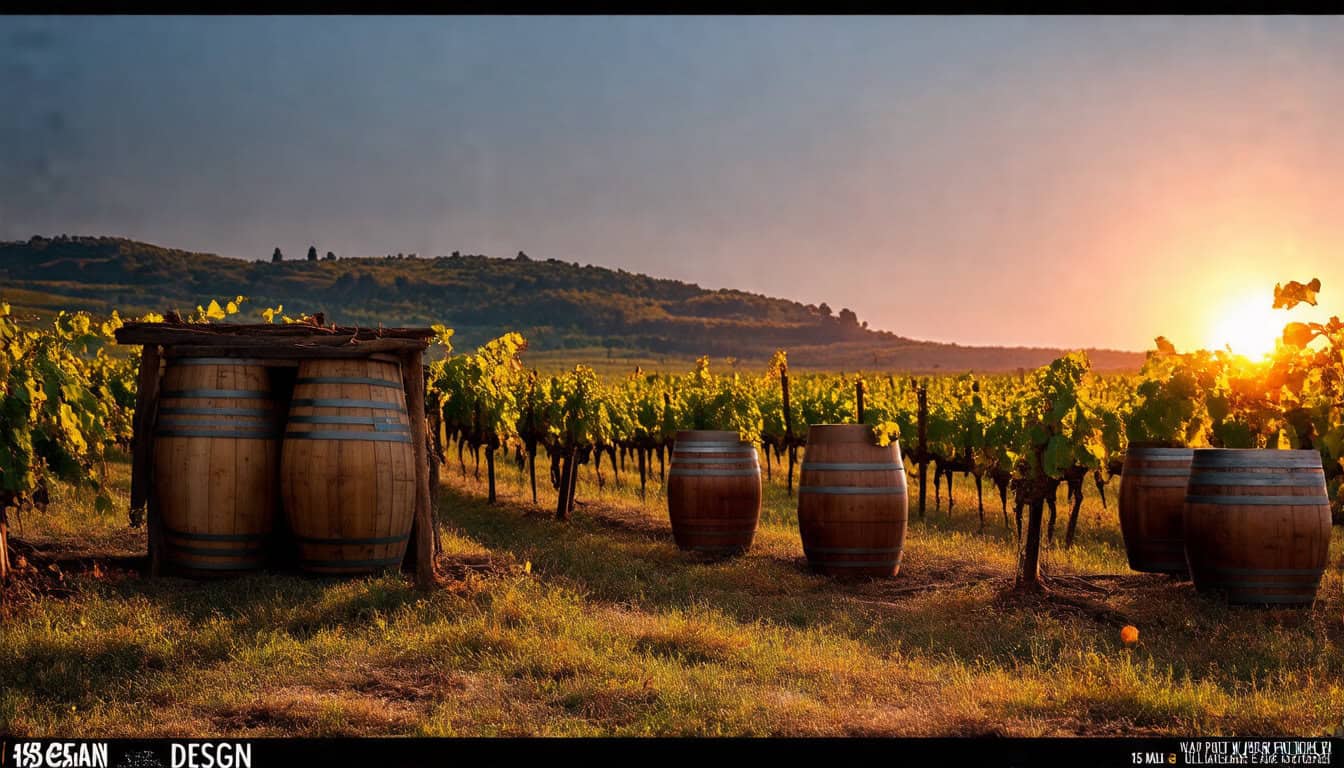
Diego lives in Boblo, an ancient wine-making town at the heart of Castilla-La Mancha. When he was young, hundreds of small wineries filled the landscape. Today, large industrial concerns have taken over, overshadowing the small family operations. Although officially retired, Diego continues to farm his 15 hectares of white wine grapes. His work remains hands-on, especially during harvest season, when he calls in help to pick the grapes by hand. The process is slow and labor-intensive because Diego grows his grapes as ground-level bushes, the old-fashioned way. Most producers now use trellises, allowing machine harvesting and greater efficiency.
On the morning we met, Diego greeted me with a curious local ritual: hot chamomile tea and a shot of mistela, a sweet fortified wine made from his grapes. The gesture connected me to the land and tradition. We then set out before dawn to the fields. Rows of vines stretched out under a pale sky. Despite the scale of operations visible around the town, Diego’s farm feels personal and tethered to the past.
Diego’s workers live in Boblo but mainly come from Romania. Juan emerges as the natural leader among them. He respects the old methods yet knows the work is tough and the future uncertain. The manual harvest remains backbreaking, especially as the sun climbs and heat bears down. The small family-run approach clashes with economic reality. Prices that wineries pay for grapes remain nearly unchanged for decades, measured even in Spain’s obsolete currency, the peseta. Meanwhile, costs have soared. This economic squeeze makes small-scale growing barely viable.
The drought only compounds these difficulties. Year after year, water becomes scarcer, threatening the health of the vines and the quality of the harvest. Watching Diego drive his tractor in a suit, a playful gesture amid hard physical labor, I sensed a mix of nostalgia and resignation. He farms not for profit alone but to keep alive a way of life slipping away.
When Diego arrives at the local winery to deliver grapes, he joins a queue of other growers. This vast winery processes enormous quantities of fruit. The grapes on this day will be turned into Don Octavio wine, a brand distributed cheaply throughout Spain and beyond. A machine swabs the grapes to assess alcohol potential; this figure determines the payment growers receive. Today the test yields a modest 12.8% alcohol, slightly better than Diego expected. He unloads nearly 6,000 kilos, but after expenses, he profits just over €200 for the day. Over the ten-day harvest, that sums to about €2,000 annually—a small return for tremendous effort and care.
The next day, I met Juanmi, a young winemaker working in a tiny garage winery on the outskirts of Boblo. He joined a small but growing group of locals committed to reviving the region’s wine culture through craft and tradition. Unlike the industrial players squeezing low prices from growers like Diego, Juanmi experiments with methods grounded in history and quality.
He sources grapes from his own family land and balances his wine-making with a day job at other wineries. His garage is modest but equipped with modern tools. Yet alongside this space stands an older building containing clay vats or tinas. The local wine tradition here avoids barrel aging and instead ferments and stores wine in these earthen vessels. Juanmi hopes to preserve this method, connecting present and past.
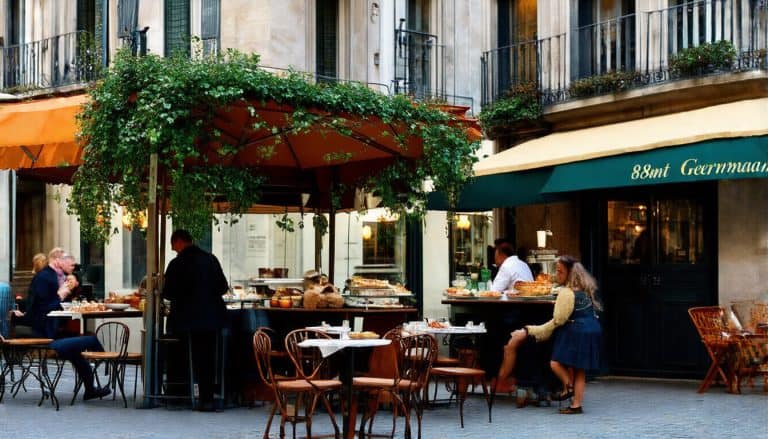
Juanmi and his peers are not alone in their efforts. At a nearby restaurant run by Gabrielle and Maria, I learned of a collaborative wine project intended to spark renewal in the aging town. The restaurant itself acts as a hub, showing that food, drink, and community can build momentum for change. These young locals see promise in merging tradition with modern sensibilities.
The story of Castilla-La Mancha’s wine world is not one of simple death. It is a tale marked by struggle and transformation. On one side stands Diego, a link to a nearly lost past, enduring despite the hardships. On the other are Juanmi and others seeking to restart small-scale, quality-focused wine production as an answer to the industrial model.
Back in Boblo’s main square, over a meal served kindly by Maria, our conversation turned to the future. The region, historically known for cheap, bulk wine, faces many challenges. Globalization and industrial agriculture put pressure on small growers and traditions. Yet the passion of local winemakers kindles hope. There remains a kernel of tradition buried in the soil, pulsing beneath the surface and waiting to bloom again.
Watching Diego pick grapes by hand or Juanmi tend his fermentation vats makes clear the deep connection between wine and culture here. The fading of small vineyards and family wineries marks a loss not just of economic activity but of identity. However, the efforts of young locals demonstrate that heritage can persist and adapt.
The decline of traditional Spanish winemaking in Castilla-La Mancha presents tough questions. Can communities hold onto their heritage in a market-driven world where scale and cost dominate? Will small growers like Diego see their work valued? Can new generations balance respect for the past with innovation?
Time will tell if this story ends as a mere footnote or a phoenix rising. For now, I take heart in the faces of those who work the land with reverence. They remind us that culture lives in practice—in the hands shaping grapes, the vessels holding wine, and the tables bringing people together. Watching this cultural heritage fade may feel inevitable, but it is far from final.
#spaintravelguide #traveltipstospain #bestplacestovisitinspain #bestthingstodoinspain #explorespain #spainvacationideas #spaintraveltips #spaintravelnews #packingforspaintrip #customstipsforspaintravel #luggagetipsforspain #besthotelsinbarcelona #bestplacestostayinbarcelona #bestrestaurantsinbarcelona #bestthingstoseeinbarcelona #sagradafamiliatravelguide #barcelonatraveltips #bestplacestostayincostabrava #costabravatravelguide #bestrestaurantsincostabrava #thingstoseeincostabrava #packingforcostabrava #besthotelsinmadrid #bestplacestostayinmadrid #bestrestaurantsinmadrid #madridtraveltips #besthotelsinseville #bestplacestostayinseville #bestrestaurantsinseville #sevilletravelguide #besthotelsinvalencia #bestplacestostayinvalencia #bestrestaurantsinvalencia #valenciatravelguide #besthotelsingranada #bestplacestostayingranada #bestrestaurantsingranada #alhambratraveltips #besthotelsinmallorca #bestplacestostayinmallorca #bestrestaurantsinmallorca #mallorcabeachesguide #besthotelsinibiza #bestplacestostayinibiza #bestrestaurantsinibiza #ibizatravelguide #besthotelsincanaryislands #bestplacestostayincanaryislands #bestrestaurantsincanaryislands #canaryislandstravelguide #bestbeachesinspain #bestluggageforspaintravel #bestcarryonluggageforspain #bestbackpackforspaintravel #besttravelsuitcaseforspain #besttraveladapterforspain #bestpackingcubesforspain #spainpackingguide #carryonpackingforspain #travellighttospain #travelgearforspain #travelessentialsforspain #travelsmarttospain #travelsafelyinspain #spaintravelchecklist #travelcustomsspain #travelculturespain #learnspanishphrases #spainlanguageguide #travellikealocalspain #localetiquettespain #besthotelsincordoba #bestplacestostayincordoba #bestrestaurantsincordoba #cordobatraveltips #besthotelsinbilbao #bestplacestostayinbilbao #bestrestaurantsinbilbao #bilbaotravelguide #besthotelsinsansebastian #bestplacestostayinsansebastian #bestrestaurantsinsansebastian #sansebastiantraveltips #wanderlustspain #spainroadtripideas #spainbeachtips #traveltobarcelonaspain #travelmadridspain #travelsevillespain #travelmallorcaspain