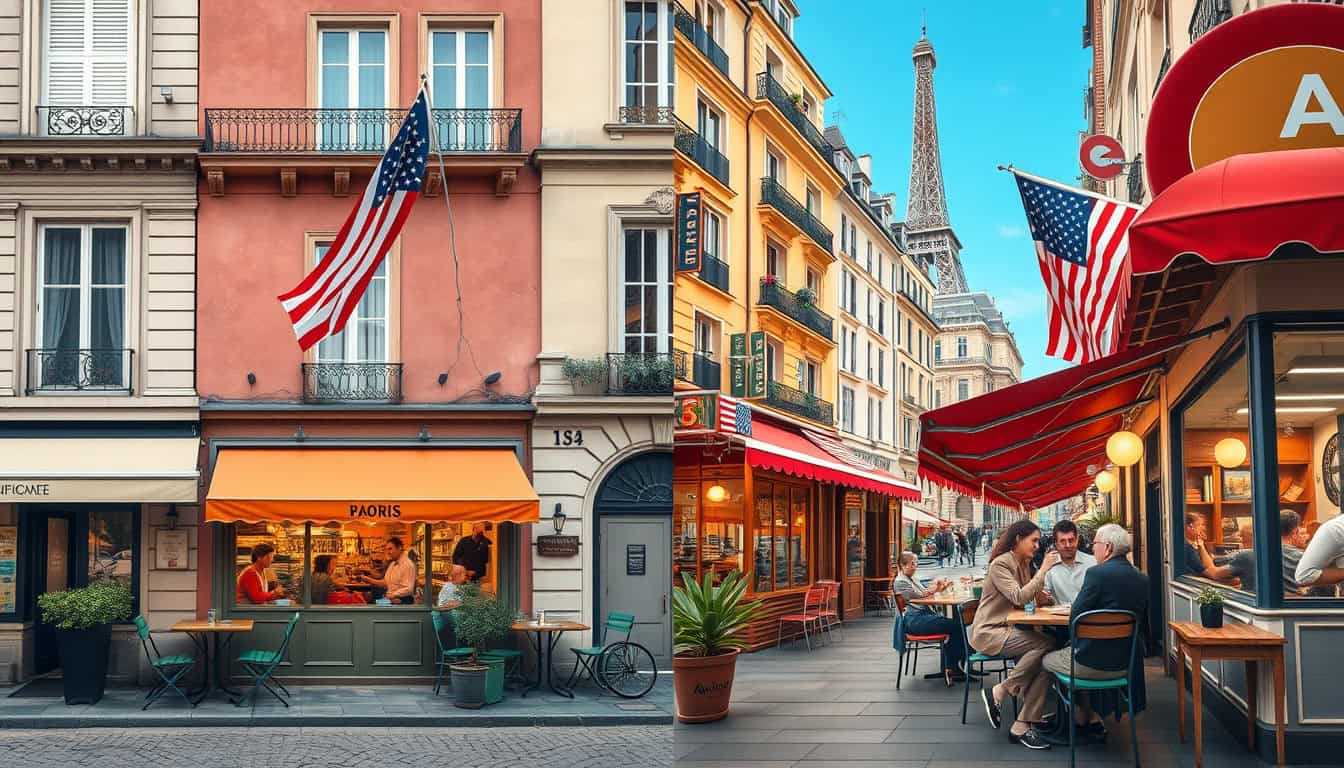
When comparing life in Europe to life in the USA, the differences can be both amusing and enlightening. From daily routines to social norms, the variation shows how culture influences our everyday lives. Several key areas highlight these cultural contrasts, including electrical systems, laundry methods, bathroom design, and safety measures. Understanding these differences allows us to appreciate how environment and culture shape individual preferences and behaviors.
Electrical Systems: A Plugged-In Perspective
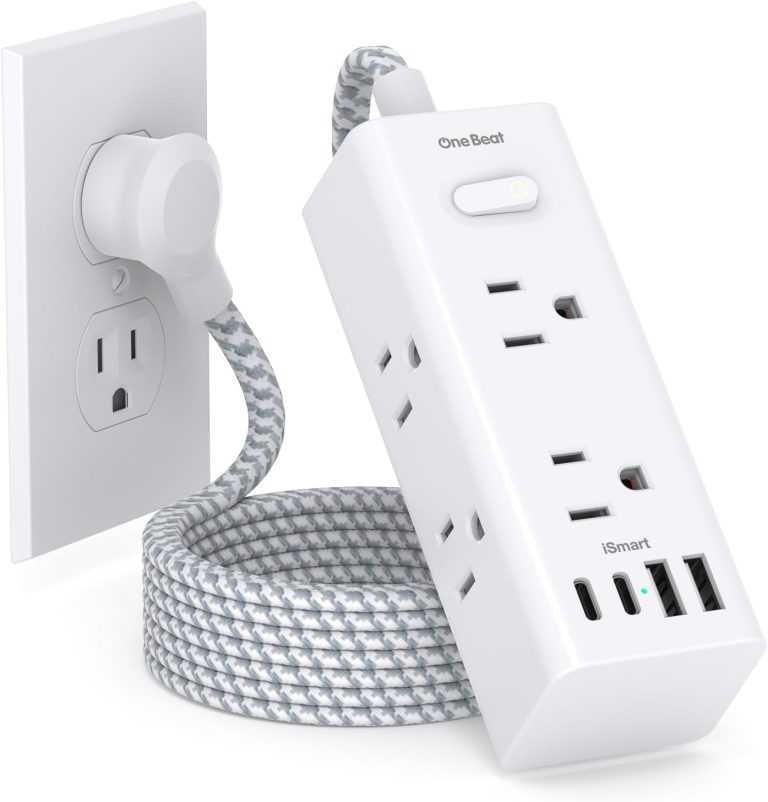
One of the first things that strikes anyone moving between the USA and Europe is the electrical plug systems. In the USA, the type A and B plugs have been around since 1904. While simple and effective, they are not without their quirks. These plugs often struggle to stay securely in the socket. It can be frustrating for users when heavy charger blocks, like those from laptops, easily fall from the wall.
Conversely, Europe utilizes the type C, known as the Europlug, which has a more robust design and a round shape. These plugs tend to fit more snugly into their sockets, providing a sense of stability that many find preferable. Moreover, European electrical systems operate at 230 volts compared to the USA’s 120 volts. This difference can impact the efficiency of appliances and gadgets, giving Europe an edge in terms of power delivery. After years of experience living in both regions, many might find the European system superior for everyday use.
Laundry Practices: The Great Dryer Debate
Another major difference surfaces in the way laundry is handled. In the USA, the dryer is king. Large, energy-consuming machines churn out warm, dry laundry in about 30 minutes. This convenience speaks to theAmerican way of life, where time is a precious commodity. After all, who wants to spend hours waiting for clothes to dry?
In contrast, Europeans often prefer air drying their clothes. Using simple drying racks or lines, they embrace a more eco-friendly approach. The practice of hanging clothes outside not only saves on energy costs but also tends to preserve the quality of the fabric. The aesthetic of clothes swaying gently in the breeze presents a serene image that many Europeans cherish. However, air drying does have its downsides, especially in colder months. In winter, the option of outdoor drying may become impractical, leading some to reluctantly resort to dryers, which can operate slowly and consume more electricity than their American counterparts.
Choosing between the power of American dryers and the energy-efficient practice of air drying often comes down to priorities: quick results or eco-consciousness. Each method reflects broader cultural attitudes toward time, efficiency, and environmental impact.
Lighting Solutions: Switches and Style
Light switches also bear cultural distinctions. American light switches are simple, with mechanical levers that toggle up and down, creating a functional but somewhat less refined appearance. In Europe, the design shifts dramatically. European switches tend to be flat, stylish, and placed higher on walls, needing a downward press to turn the light on. This touch makes them appear more sophisticated.
Furthermore, while light switches in the USA are usually located inside rooms, many European bathrooms have their switches positioned outside. This historical design choice stems from safety regulations that evolved to minimize electrocution risks. Ironically, this can lead to comical situations, especially during family gatherings, when someone plays a prank by turning off the lights while another is in the shower.
While Europeans may favor aesthetics in their electrical installations, American homes often enjoy the benefits of dimmable lights. This essential feature offers a level of mood-setting flexibility that can be lacking in many European homes. The preference for dimmers may unveil a contrasting cultural attitude toward ambiance and comfort.
Home Security: Locks and Leverage
Home security also highlights significant contrasts between the two regions. European door locks can seem complex to Americans. Many European doors lock automatically, requiring a series of maneuvers involving lifting handles and twisting keys. This design aims for higher security, reflecting a cultural inclination toward safety through more complex means. It can be so involved that many Europeans frequently find themselves locked out of their own homes due to an accidental drop of the key.
Meanwhile, American doors tend to feature straightforward locks, focusing on quick accessibility. This simplicity may give rise to vulnerabilities. After all, if a door can be unlocked by a casual turn of a key, it may not deter someone with malicious intent.
While Europeans exhibit greater care about the locking mechanisms of their homes, the American approach emphasizes simplicity and ease of use. Each solution’s merits can be debated, catering to differing perceptions of security and convenience.
Social Interactions: Norms of Engagement
Beyond appliances and household items, lifestyle and social interactions exhibit unique traits in both regions. For example, Americans are known for their casual greetings and friendly exchanges, often initiating conversations with strangers. This openness contributes to a social atmosphere where meetings can happen anywhere, from cafes to parks.
Contrarily, Europeans may lean toward more reserved social interactions, especially in urban settings. In many European cultures, maintaining personal space and mutual respect takes precedence. However, once relationships are established, the warmth and intimacy that characterize friendships can deeply enrich lives.
Dining habits are another area ripe for comparison. In the USA, mealtime involves quick, often solitary eating, greatly influenced by busy lifestyles. In contrast, many Europeans savor meals with family or friends over extended periods. This practice reflects a cultural value that emphasizes connection over convenience, reinforcing the importance of community.
Healthcare Views: Accessibility and Attitude
Healthcare systems differ notably between the USA and Europe. Most European countries provide universal healthcare, meaning their citizens enjoy ready access to medical services without the burden of crippling costs. This system enhances preventive care, making regular check-ups and essential treatments more accessible.
On the other hand, the American system, characterized by private insurance and high medical costs, can lead to significant barriers for many. Balancing between affordability and quality of care can lead to considerable stress and anxiety. This disparity highlights how health and well-being are viewed differently across the Atlantic, impacting social values and quality of life.
Conclusion: Reflecting on Differences
The contrasts in daily life across Europe and the USA can be both enlightening and entertaining. Examining areas like electrical systems, laundry practices, safety mechanisms, social interactions, and healthcare, reveals much about the values and priorities in each region. It is these preferences and habits that contribute to the rich tapestry of life in both places.
Throughout the light-hearted exploration of these differences, it becomes clear that, while there are many subjective preferences, each choice reflects a deeper cultural perspective. From a preference for convenience in the USA to an appreciation for sustainability and community in Europe, both cultures offer valid, valuable approaches to everyday living. Understanding these distinctive traits helps foster greater appreciation and connection between individuals across both continents.
#portugaltravelguide #traveltipstoportugal #bestplacestovisitinportugal #bestthingstodoinportugal #exploreportugal #portugalvacationideas #portugaltraveltips #portugaltravelnews #packingforportugaltrip #customstipsforportugaltravel #luggagetipsforportugal #besthotelsinlisbon #bestplacestostayinlisbon #bestrestaurantsinlisbon #bestthingstoseeinlisbon #belemtraveltips #lisbontravelguide #bestplacestostayinalgarve #algarvetravelguide #bestrestaurantsinalgarve #thingstoseeinalgarve #packingforalgarve #besthotelsinporto #bestplacestostayinporto #bestrestaurantsinporto #portotraveltips #besthotelsincoimbra #bestplacestostayincoimbra #bestrestaurantsincoimbra #coimbratravelguide #besthotelsinsintra #bestplacestostayinsintra #bestrestaurantsinsintra #sintratravelguide #besthotelsinlagosportugal #bestplacestostayinlagosportugal #bestrestaurantsinlagosportugal #lagostravelguide #besthotelsinmadeira #bestplacestostayinmadeira #bestrestaurantsinmadeira #madeiratravelguide #besthotelsintheazores #bestplacestostayintheazores #bestrestaurantsintheazores #azorestravelguide #bestbeachesinportugal #bestluggageforportugaltravel #bestcarryonluggageforportugal #bestbackpackforportugaltravel #besttravelsuitcaseforportugal #besttraveladapterforportugal #bestpackingcubesforportugal #portugalpackingguide #carryonpackingforportugal #travellighttoportugal #travelgearforportugal #travelessentialsforportugal #travelsmarttoportugal #travelsafelyinportugal #portugaltravelchecklist #travelcustomsportugal #travelcultureportugal #learnportuguesephrases #portugallanguageguide #travellikealocalportugal #localetiquetteportugal #besthotelsinaveiro #bestplacestostayinaveiro #bestrestaurantsinaveiro #aveirotravelguide #besthotelsinevora #bestplacestostayinevora #bestrestaurantsinevora #evoratravelguide #besthotelsinguimaraes #bestplacestostayinguimaraes #bestrestaurantsinguimaraes #guimaraestravelguide #besthotelsinobidos #bestplacestostayinobidos #bestrestaurantsinobidos #obidostravelguide #wanderlustportugal #portugalroadtripideas #portugalbeachtips #traveltolisbonportugal #travelportoportugal #travelalgarveportugal #travelmadeiraportugal