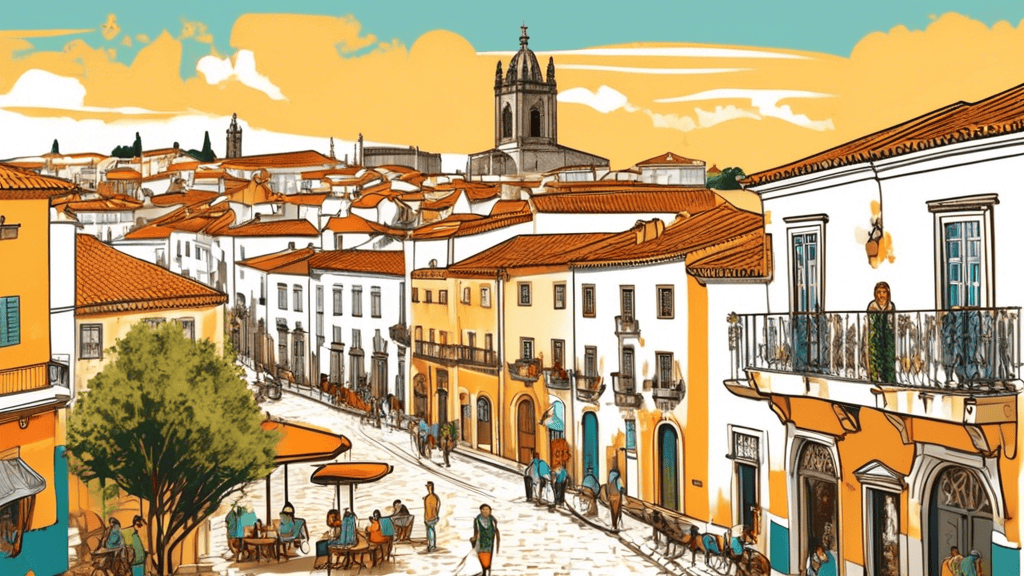
Nestled in the heart of Portugal, Evora has earned the prestigious moniker The Rome of Portugal with its timeless charm and rich heritage. This enchanting city, brimming with ancient ruins and medieval relics, boasts a history dating back over two millennia, rivaling even the Eternal City itself. Evora’s streets are an open-air museum, a tapestry woven with tales of Roman conquests, Moorish influences, and Portuguese royalty, offering an immersive experience to every visitor.
So, why is Evora likened to Rome? It’s not just the picturesque ruins and majestic temples that draw this comparison. Evora exudes a similar grandeur and deeply ingrained cultural vibrance that resonates with history buffs and curious travelers alike. Recognized as a UNESCO World Heritage site, this serene city seamlessly marries its storied past with modern comforts, making it an irresistible destination for both tourists and prospective retirees.
Evora’s allure extends beyond its historical significance. Its breathtaking landscapes, mild Mediterranean climate, and welcoming community make it a prime location for those seeking an idyllic retirement haven. With affordable living costs, exceptional healthcare services, and a myriad of recreational opportunities, Evora promises a fulfilling and relaxed lifestyle. Whether you envision leisurely strolls through ancient plazas, savoring local delicacies, or engaging in cultural festivals, Evora offers a unique blend of tranquility and adventure. Join us as we delve deeper into why Evora is rapidly becoming the world’s best retirement destination and how you can seamlessly transition to this captivating Portuguese gem.
Introduction to Evora: The Rome of Portugal
Overview of Evora’s History and Cultural Significance
Nestled in the heart of Portugal, Evora stands as a testament to the rich tapestry of European history. With origins tracing back to the Roman era, the city has served as a hub of cultural confluence, blending influences from Romans, Moors, and Portuguese empires. Declared a UNESCO World Heritage site in 1986, Evora prides itself on its preserved architectural wonders and an enduring legacy that spans millennia.
Evora’s past is inscribed in its cobblestone streets and centuries-old buildings. The Roman Temple, often referred to as the Temple of Diana, dates back to the first century AD and offers a glimpse into the city’s ancient grandeur. Walk through the medieval walls, and you’ll find yourself immersed in Gothic cathedrals, Renaissance fountains, and Baroque palaces. Each structure narrates a unique story, contributing to Evora’s identity as a living museum.
Beyond its architectural marvels, Evora has been an intellectual center for centuries. The University of Evora, founded in 1559 by the Jesuits, is one of the oldest universities in Portugal and continues to be a cornerstone of education and research in the region. The city’s academic heritage adds another layer to its cultural richness, making it a vibrant environment for lifelong learning and exploration.
Why Evora is Dubbed the Rome of Portugal
The epithet Rome of Portugal is no hyperbole, as Evora’s historical and cultural resonance bears striking similarities to the Eternal City. Like Rome, Evora is a city where history is not just a backdrop, but a palpable presence. The Roman architectural imprints, notably the Temple of Diana and the Aqueduct of Silver Water, underscore Evora’s ancient connections and provide a vivid link to its Roman past. These landmarks serve as enduring symbols of the architectural prowess and cultural depth that have shaped the city through the centuries.
Furthermore, Evora’s cultural landscape mirrors Rome’s intricate tapestry of influences. The city has absorbed and harmonized a variety of cultural elements over its long history, from Moorish arches and Arabesque patterns to Manueline styles unique to Portugal. This eclectic mix makes walking through Evora akin to traversing different historical periods, each layer enriching the city’s unique character.
However, the Rome analogy extends beyond mere architectural splendor. Evora, like Rome, has been a pivotal religious center. The Cathedral of Evora, one of the most significant Gothic structures in Portugal, provides a spiritual and architectural focal point, much like Rome’s St. Peter’s Basilica. This convergence of sacrosanct spaces signifies Evora’s role as a custodian of faith and heritage, attracting pilgrims and tourists alike.
Importance of Evora as a Travel Destination
Evora transcends the role of a mere historical site; it emerges as a premier travel destination with attractions that cater to diverse interests. For history aficionados, the city’s ancient ruins and well-preserved medieval structures offer limitless exploration. Photographers and art lovers revel in the visual feast presented by the Mannerist paintings and intricately carved altarpieces housed in local museums and churches.
Food and wine enthusiasts will find Evora equally enticing. The region’s gastronomy, deeply rooted in Alentejan tradition, presents a tantalizing array of flavors, from the famed açorda (a traditional bread soup) to the region’s fine wines, produced in renowned vineyards surrounding the city. Culinary tours and wine tastings provide immersive experiences that highlight Evora’s culinary heritage.
Outdoor adventurers and nature lovers can also appreciate Evora’s surrounding landscapes. The city’s central location in the Alentejo region makes it a convenient base for exploring rolling plains, verdant vineyards, and tranquil olive groves. Activities like hiking, cycling, and bird-watching are popular among retirees and tourists seeking to embrace the natural beauty of the Portuguese countryside.
Culturally, Evora is a bustling hub, teeming with year-round festivals, music performances, and artisanal markets that showcase local craftsmanship. Events like the annual Saint John’s Festivities and the Classical Music Festival draw visitors from around the globe, infusing the city with vibrant energy and a sense of community.
Ultimately, Evora’s allure is its harmonious blend of history, culture, and modernity. As retirees and travelers seek destinations that offer both richness of experience and quality of living, Evora’s unique offerings position it as an unparalleled locale to visit and reside in. This quintessentially Portuguese city not only honors its past but continuously evolves, making it a timeless gem in the heart of Portugal.
CLICK HERE: BEST Travel Backpack you MUST own
Benefits of Retiring in Evora
Cost of Living and Housing Affordability
Retiring in Evora presents an attractive proposition for those seeking a high quality of life without breaking the bank. The cost of living in Evora is considerably lower than in many Western European cities. From grocery shopping to dining out, everyday expenses are pleasantly affordable. Housing prices are also favorable; whether you’re looking for a quaint apartment in the city center or a charming villa in the outskirts, you’ll find a range of options that cater to different budgets. Property taxes and maintenance costs are relatively low, making homeownership all the more accessible.
Quality of Healthcare and Wellness Services
Healthcare in Evora is modern, efficient, and affordable, with a combination of public and private medical facilities. Portugal’s public healthcare system, Service National de Saúde (SNS), is highly regarded, and Evora’s local hospitals and clinics benefit from this national standard of care. For those who prefer private healthcare, there are several reputable clinics that offer comprehensive services. Additionally, the region boasts a variety of wellness centers and spas, ideal for maintaining an active and healthy lifestyle during retirement.
Climate and Natural Beauty
Evora enjoys a Mediterranean climate, characterized by hot summers and mild winters, which is perfect for retirees who appreciate sunny days and outdoor activities. The abundance of natural beauty surrounding Evora is undeniable; it is set amidst lush vineyards, rolling hills, and picturesque landscapes. Parks and gardens within the city offer serene green spaces for leisurely strolls, while the nearby Alqueva Lake provides opportunities for water-based activities like boating and fishing.
Safety and Community Atmosphere
Safety is a paramount concern for retirees, and Evora excels in this regard. The city is known for its low crime rate and a strong sense of community and camaraderie among residents. The warm and welcoming nature of the locals helps newcomers feel at ease quickly. Evora’s expat community is growing, providing a network of support and friendship for those moving from abroad. Many retirees find themselves embraced by both fellow expats and local residents, fostering a rich, multicultural environment perfect for enjoying the golden years.
Retiring in Evora offers numerous benefits, making it an ideal destination for those looking to spend their later years in a culturally rich, affordable, and welcoming environment. The city’s low cost of living, top-quality healthcare, pleasant climate, and inherent safety create a robust foundation for a happy and fulfilling retirement.
CLICK HERE: BEST Travel Backpack you MUST own
Attractions and Lifestyle in Evora
Historic Landmarks and Architecture
Walking through Evora is akin to stepping back in time, with its cobblestone streets and timeless architecture. One of the most iconic landmarks is the Roman Temple, often called the Temple of Diana. This stunning ruin, dating back to the 1st century AD, offers a glimpse into the ancient Roman influence on the city. Another must-see is the Cathedral of Évora, Se de Évora, which stands as a testament to the grandeur of medieval architecture. Constructed between the 13th and 14th centuries, it’s a sublime blend of Gothic and Romanesque styles.
The Chapel of Bones (Capela dos Ossos) is another compelling site. Adorned with thousands of human bones and skulls meticulously arranged, it’s a morbid yet fascinating testament to past centuries. Meanwhile, strolling along the Aqueduto da Água de Prata (Silver Water Aqueduct) unveils an impressive feat of 16th-century engineering, blending seamlessly into the urban landscape with shops and homes nestled within its arches.
Interested in a EUROPEAN FOOD TOUR? CLICK HERE for more INFO
CLICK HERE: BEST Travel Backpack you MUST own
Outdoor Activities and Nature Exploration
For those who treasure the great outdoors, Evora offers no shortage of natural beauty and recreational activities. The Alentejo region, of which Evora is the heart, boasts rolling plains, cork oak forests, and olive groves that stretch as far as the eye can see. Hiking enthusiasts can embark on trails that meander through these picturesque landscapes. The Ecopista de Évora, a repurposed railway line, provides a scenic route for cyclists and walkers alike.
Evora’s proximity to the Guadiana River also opens up opportunities for water-based activities. Canoeing, bird watching, and serene boat trips are just a few options to enjoy the region’s natural splendor. For wine lovers, the local vineyards offer delightful tours and tastings. Quintas such as Herdade do Esporão and Cartuxa are renowned for their production of delectable Alentejo wines, providing an exquisite way to spend an afternoon.
Local Cuisine and Dining Experiences
Portuguese cuisine is celebrated for its bold flavors and hearty ingredients, and Evora is no exception. The city is home to numerous eateries where you can savor traditional dishes made from locally sourced produce. Popular dishes include açorda, a flavorful bread soup, and migas, a succulent accompaniment typically made with pork. The local cheeses, such as the creamy Évora cheese, are a must-taste for any culinary adventurer.
For an elevated dining experience, head to one of Evora’s fine dining establishments like Fialho, which has been serving delectable regional cuisine for decades. Alternatively, the Mercado Municipal de Evora is perfect for those who enjoy street food and fresh market finds. Here you can savor everything from freshly baked pastéis de nata (custard tarts) to seafood dishes that celebrate the bounty of the Portuguese coastline.
Festivals, Arts, and Cultural Events
Life in Evora is punctuated by a rich calendar of festivals and events that highlight the city’s vibrant cultural fabric. The Festival of St. John (Festas de São João) is one of the largest annual celebrations, featuring processions, folk music, and traditional dance. Literature lovers will appreciate the Évora International Short Film Festival, which showcases an array of cinematic gems from around the globe.
Art and music enthusiasts are equally catered to. The city is home to a thriving arts scene, with galleries like the Galeria das Damas hosting contemporary and classic Portuguese art. Music events, ranging from classical concerts at Teatro Garcia de Resende to live Fado performances at local taverns, ensure that there is always something to delight the ears. The Convento dos Remédios serves as a cultural hub, hosting exhibitions, workshops, and performances year-round, further solidifying Evora’s status as a cultural haven.
In sum, Evora’s blend of historical grandeur, natural beauty, culinary delights, and cultural vibrancy makes it a highly attractive destination for retirees looking for an enriching lifestyle. Whether you are an aficionado of history, a lover of the outdoors, a gourmand, or an art enthusiast, Evora offers a tapestry of experiences to enjoy in retirement.
CLICK HERE: BEST Travel Backpack you MUST own
Practical Considerations for Moving to Evora
Visa and Residency Requirements
Retiring to Evora, like any international move, requires an understanding of the local immigration laws. Portugal offers several visa options for retirees, notably the D7 visa, which is designed for non-EU citizens who can demonstrate a stable passive income. Applicants typically need to show proof of income from pensions, investments, or rental properties. The application process includes submitting documents such as proof of income, health insurance, and a valid passport to the Portuguese Consulate in your home country. Upon approval, this visa grants residency for an initial period of one year, renewable for successive two-year periods. Additionally, after five years, you can apply for permanent residency.
Real Estate and Property Purchasing Tips
Finding your dream home in Evora may seem daunting, but the local real estate market offers a variety of options to suit diverse preferences and budgets. Engaging a reputable real estate agent with a deep understanding of the local market is crucial. Evora’s property acquisition process is straightforward but includes several unique steps. For example, a Promissory Contract (Contrato-Promessa de Compra e Venda) is typically signed, detailing the terms and conditions before the final deed. It’s advisable to hire a local lawyer to navigate these legalities. Keep in mind, property prices in Evora can range significantly, with urban apartments and historic townhouses often being at the lower end of the spectrum compared to sprawling country estates.
Language and Integration into Local Culture
Portuguese is the official language in Evora, and while many locals speak English, particularly in tourist-friendly areas, learning Portuguese can significantly enhance your experience. This effort to integrate into the local culture can be highly rewarding, simplifying daily interactions and enriching your social life. Numerous language schools and community classes in Evora offer courses specifically designed for foreigners. Additionally, participating in local events, joining clubs, and engaging with community activities all contribute to a smoother and more gratifying integration process.
Financial Planning and Tax Considerations
Financial planning is a critical aspect of retiring in Evora. Portugal’s Non-Habitual Resident (NHR) tax regime presents a lucrative opportunity for new residents. Under NHR, many foreign-sourced incomes, including pensions, can be tax-exempt for ten years. Ensure you consult with a tax advisor familiar with both Portuguese and your home country’s tax laws to optimize this advantage. Furthermore, it’s essential to understand the cost of living in Evora, which is relatively lower compared to major cities like Lisbon or Porto, but budgeting for health insurance, utilities, and daily expenses is still necessary for a comfortable lifestyle.
In conclusion, navigating the visa process, understanding the real estate market, learning Portuguese, and meticulous financial planning are fundamental steps in ensuring a seamless transition to your new retirement haven in Evora.
In summary, Evora stands out as an exceptional retirement destination, earning its moniker, the Rome of Portugal, with its rich tapestry of history and culture that harks back to ancient times. The city offers retirees a compelling blend of affordable living and high-quality healthcare, coupled with a mesmerizing climate and natural beauty that enhances day-to-day life. Safety and a welcoming community further solidify its appeal, making it a haven for those seeking a tranquil yet vibrant retirement.
Evora’s array of attractions—including historic landmarks, awe-inspiring architecture, and diverse outdoor activities—adds layers of enjoyment and exploration for residents. The city’s culinary scene is a celebration of local flavors, while its bustling festivals and arts scene ensure that there’s always something to look forward to.
For prospective movers, understanding visa and residency requirements is crucial, as is navigating the real estate market effectively. Integrating into the local culture through language and community engagement will facilitate a smoother transition. Additionally, sound financial planning and awareness of tax implications will ensure a secure and comfortable retirement.
Evora is not merely a place to retire—it’s an invitation to live richly, enveloped by history, culture, and community. For retirees seeking a fulfilling and picturesque retirement, Evora is undoubtedly the unparalleled choice.