Introduction to Tunisia
Tunisia, a North African country with a rich historical tapestry and vibrant culture, offers a unique blend of ancient ruins, exotic beaches, and stark deserts. Bordered by Algeria, Libya, and the Mediterranean Sea, Tunisia has been a crossroads of civilizations including Berber, Phoenician, Roman, and Arab. This travel guide provides an in-depth look at Tunisia, exploring its major attractions, cultural experiences, and practical tips for travelers.
Best Time to Visit Tunisia
The best time to visit Tunisia is during the spring (March to May) and autumn (September to November) months, when the weather is pleasantly warm and suitable for both beach activities and desert explorations. Summer months (June to August) can be extremely hot, especially in the desert regions, whereas winters are mild but can be rainy.
Top Attractions in Tunisia
Carthage
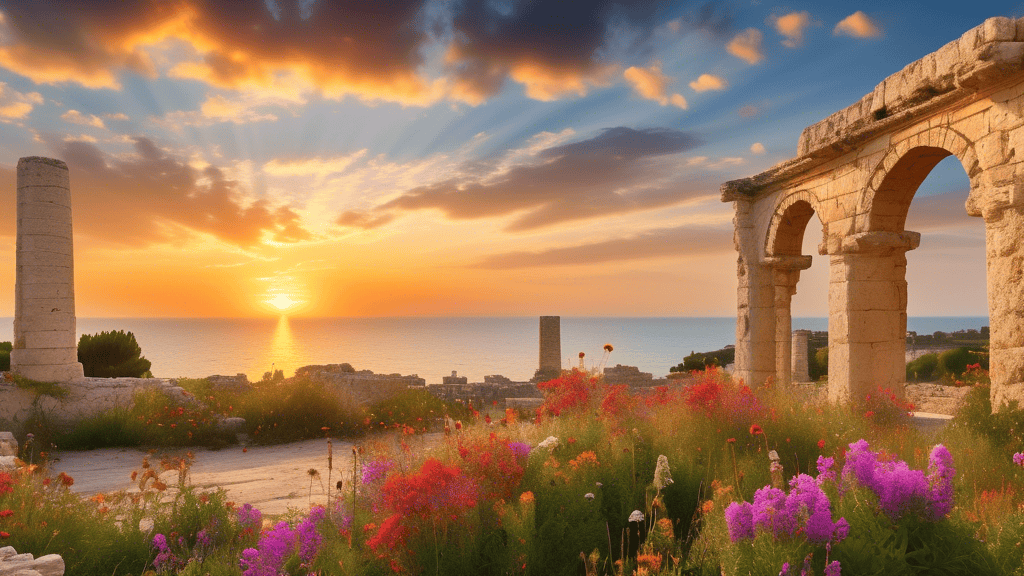
Once a major ancient city, Carthage was founded by the Phoenicians and serves as a significant archaeological site today. Visitors can explore the ruins of this ancient empire, including the Baths of Antoninus and the Carthage Museum, which offers insights into the history and the lifestyle of its inhabitants.
Medina of Tunis
The capital’s historic heart is its Medina, a UNESCO World Heritage Site. With its narrow streets lined with colorful shops, mosques, and old buildings, it provides a glimpse into the traditional Tunisian life. Notable landmarks within the Medina include the impressive Zitouna Mosque and the bustling souks where you can shop for spices, perfumes, jewelry, and traditional crafts.
Sidi Bou Said
Known for its distinctive blue and white architecture, Sidi Bou Said is a picturesque town perched on a cliff overlooking the Mediterranean. It’s a perfect spot to wander the cobblestone streets, visit art galleries, and relax at a café enjoying a mint tea.
The Sahara Desert
Tunisia’s stretch of the Sahara offers stunning landscapes ranging from vast dunes to salt pans. Adventure seekers can enjoy activities like camel treks, quad biking, or overnight camping under the stars. The desert town of Douz serves as a gateway for many desert tours.
Coastal Towns
Tunisia’s coast boasts several beautiful beaches and resort towns such as Hammamet, Sousse, and Djerba. These towns offer a mix of relaxation, activities, and cultural experiences. Djerba is particularly notable for its heritage and unique blend of influences reflected in its architecture and cuisine.
Cultural Experiences in Tunisia
Cuisine
Tunisian cuisine is a delicious blend of Mediterranean flavors and local spices. Key dishes to try include Couscous, the national dish, Brik (a crispy filled pastry), and Tunisian Harissa, a spicy chili paste that is a staple in many dishes. Seafood is plentiful and fresh in the coastal areas.
Festivals
Participating in local festivals can provide a deep insight into Tunisian culture. The International Festival of Carthage and the El Jem Symphony are popular among music lovers, while the Douz Festival celebrates the region’s Bedouin heritage with camel racing, traditional music, and desert rituals.
Practical Tips for Traveling to Tunisia
When traveling to Tunisia, it’s important to respect local customs and traditions. Modest dress is advised, especially when visiting religious sites. Arabic is the official language, but French is also widely spoken due to Tunisia’s colonial past. Although tipping is not mandatory, it is customary to leave a small gratuity in restaurants and cafes.
For transportation, Tunisia has a network of buses and trains, but renting a car can give you more freedom to explore at your own pace. Ensure you have adequate travel insurance and check for any travel advisories before your trip.
Conclusion
Tunisia offers a melting pot of experiences, from the historical richness of Carthage and the aesthetic delights of Sidi Bou Said to the adventurous Sahara Desert excursions. Each region presents a different facet of Tunisian life, making it a compelling destination for travelers seeking both cultural depth and exotic experiences.
Interested in a EUROPEAN FOOD TOUR? CLICK HERE for more INFO